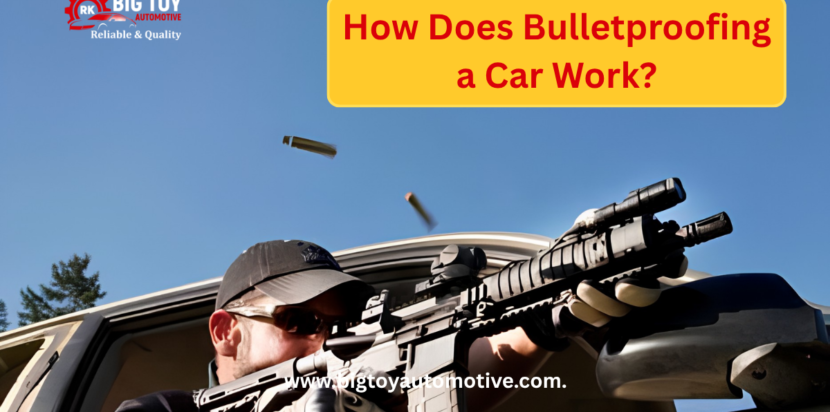
When people hear the term “bulletproof car,” they often picture a black SUV carrying a politician or celebrity. It may look like a regular vehicle from the outside, but underneath its factory body lies an advanced engineering system designed to protect lives.
Modern vehicle armoring is far more than adding thick steel plates or bullet-resistant glass. Every part of the vehicle—from the doors and roof to the fuel tank and tires-is carefully reinforced to withstand ballistic threats while maintaining drivability.
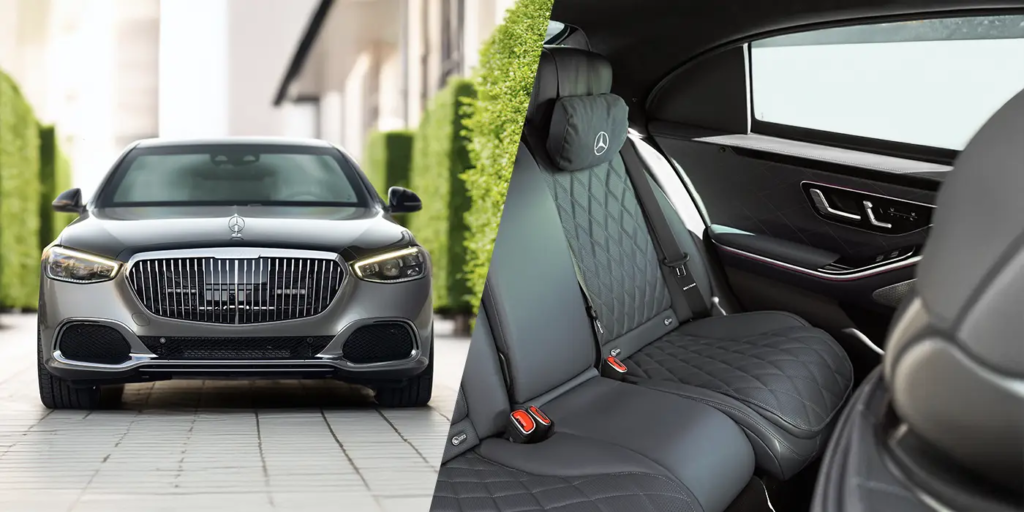
If you’ve ever wondered how bulletproofing a car actually works, this guide breaks down the complete process, materials used, protection levels, and why professional armoring matters.
What Is Bulletproofing?
Despite the name, no civilian vehicle is completely “bulletproof.” The correct term is ballistic armoring or bullet-resistant vehicle protection.
The goal of bulletproofing is simple:
Protect passengers by preventing bullets, explosions, and forced attacks from penetrating the vehicle cabin.
Instead of relying on one strong material, armored vehicles combine several specially engineered components that work together as a complete safety system.
How Does Bulletproofing a Car Work?
Think of vehicle armoring as building a protective shield around the passenger compartment.
Every vulnerable area is reinforced using ballistic materials so that even if an attacker fires multiple rounds, the bullets are stopped before reaching the occupants.
The process involves much more than replacing the windows. Doors, pillars, roof, floor, firewall, fuel tank, battery compartment, and other weak points are strengthened to create continuous protection.
The result is a vehicle that looks almost identical to the original but offers significantly higher security.
Materials Used in Bulletproof Cars
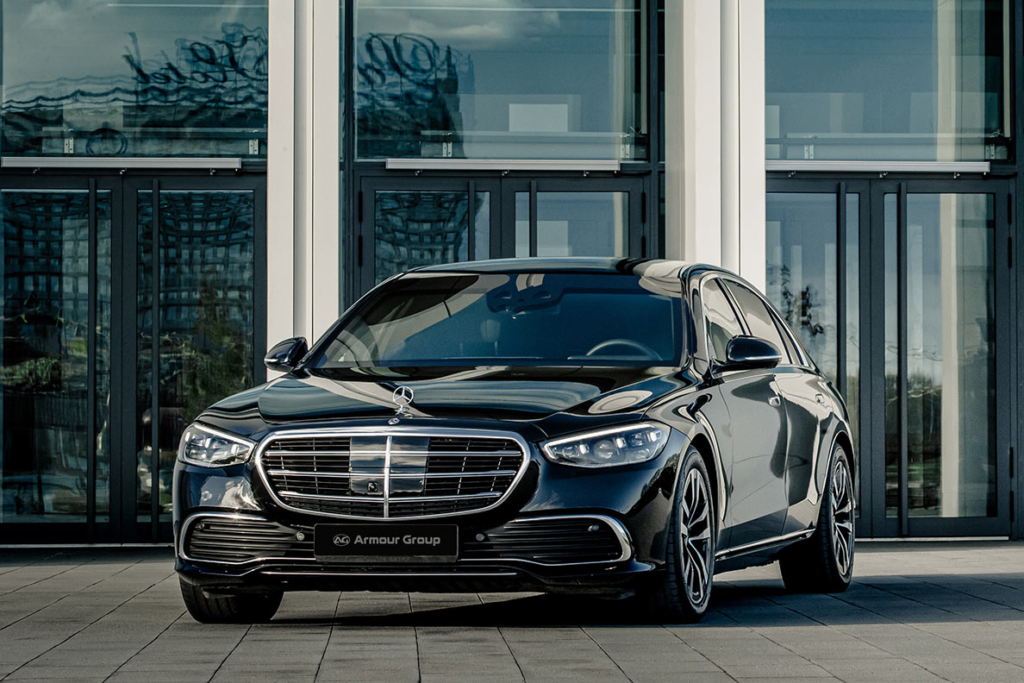
Professional armoring companies use a combination of advanced materials instead of relying on traditional steel alone.
1. Ballistic Steel
High-hardness ballistic steel is installed inside:
- Doors
- Roof
- Side panels
- Firewall
- Rear cabin
- Pillars
It absorbs and stops bullets before they can enter the cabin.
2. Bullet-Resistant Glass
Standard automotive glass is replaced with multilayer ballistic glass made from
- Laminated safety glass
- Polycarbonate layers
- Special bonding materials
Unlike ordinary windows that shatter instantly, ballistic glass absorbs the impact and prevents penetration while maintaining visibility.
3. Composite Armor
Many modern armored vehicles use lightweight composite materials such as:
- Aramid fibers
- Ballistic fabrics
- Ceramic composites
These materials reduce vehicle weight without compromising protection.
4. Kevlar® Protection
Kevlar is commonly used in vulnerable areas such as:
- Roof lining
- Wheel arches
- Door panels
- Floor sections
It helps absorb energy from ballistic impacts while keeping the vehicle lighter than traditional steel-only armor.
The Complete Bulletproofing Process
Professional vehicle armoring follows a detailed engineering process rather than simple aftermarket modifications.
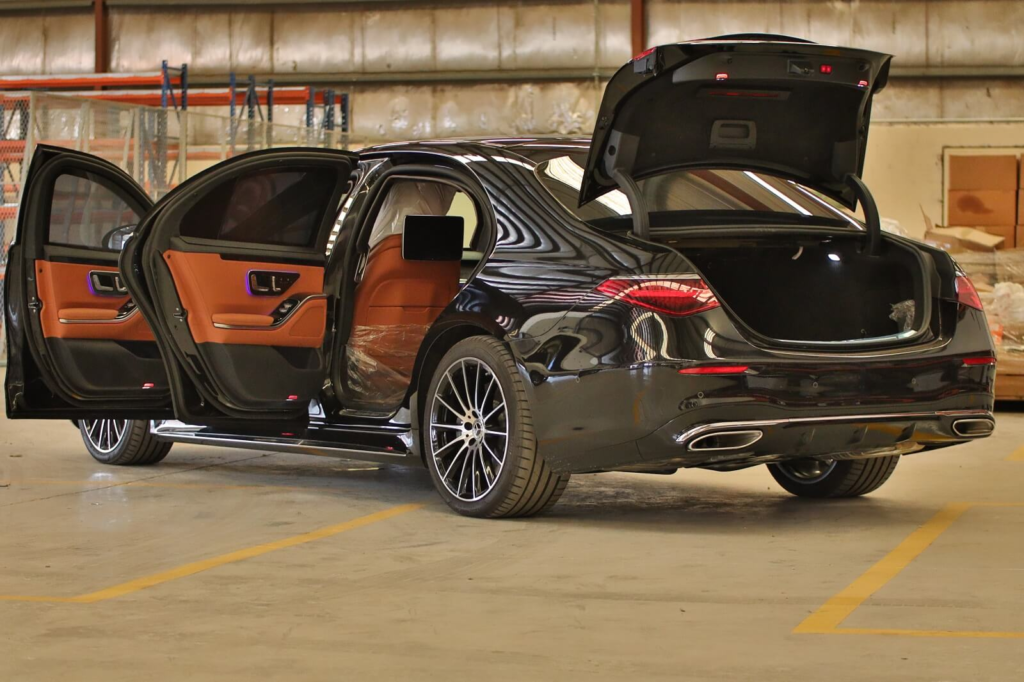
Step 1: Vehicle Inspection
Engineers first inspect the vehicle to determine:
- Structural strength
- Payload capacity
- Suspension requirements
- Customer’s desired protection level
Not every vehicle is suitable for every level of armoring.
Step 2: Interior Disassembly
The complete interior is carefully removed, including:
- Seats
- Door panels
- Dashboard components
- Carpets
- Roof lining
- Trim panels
This exposes the vehicle’s frame for precise installation.
Step 3: Installing Ballistic Armor
Custom-cut ballistic steel and composite panels are fitted inside:
- Doors
- Roof
- Floor
- Firewall
- Side panels
- Rear cabin
Each section overlaps with the next to eliminate vulnerable gaps.
Step 4: Installing Bullet-Resistant Glass
Factory windows are replaced with certified ballistic glass.
These windows are significantly thicker and are precisely fitted to match the reinforced door frames.
Step 5: Reinforcing Weak Points
Experienced armoring specialists also protect areas that are often overlooked, including:
- Door seams
- Hinges
- Pillars
- Fuel tank
- Battery compartment
- Firewall
- Wheel arches
These reinforcements prevent attackers from targeting structural weak spots.
Step 6: Mechanical Upgrades
Since armor adds considerable weight, several mechanical components must also be upgraded.
These often include:
- Heavy-duty suspension
- Reinforced springs
- Stronger brakes
- Upgraded door hinges
- Improved wheel assemblies
These modifications help maintain stability, handling, and braking performance.
Step 7: Final Testing & Quality Inspection
Before delivery, the vehicle undergoes extensive inspections to ensure the following:
- Proper door alignment
- Window operation
- Structural integrity
- Electrical functionality
- Passenger safety
Professional armoring focuses on both protection and everyday usability.
Understanding Protection Levels (BR4–BR7)
Different users require different levels of protection.
BR4
Ideal for:
- Business executives
- High-net-worth individuals
- Personal security
Protects against most handgun threats while keeping the vehicle relatively lightweight.
BR5
Suitable for:
- VIPs
- Government officials
- Corporate security vehicles
Offers increased ballistic resistance against higher-powered firearms.
BR6
Recommended for:
- High-risk individuals
- Politicians
- Security agencies
Designed to withstand specific assault rifle threats, including certain AK-platform ammunition.
BR7
The highest civilian protection level commonly available.
Suitable for:
- Military support vehicles
- Critical government transport
- High-risk security operations
Offers protection against armor-piercing rifle ammunition under certified testing standards.
Can Any Car Be Bulletproofed?
Many SUVs and premium vehicles can be successfully armored.
Popular choices in India include:
- Toyota Fortuner
- Toyota Land Cruiser
- Mahindra Scorpio-N
- Mahindra Thar
- Toyota Hilux
- Mercedes-Benz G-Class
- Lexus LX
- Range Rover
The suitability of a vehicle depends on its structure, payload capacity, and intended protection level.
Does Bulletproofing Affect Vehicle Performance?
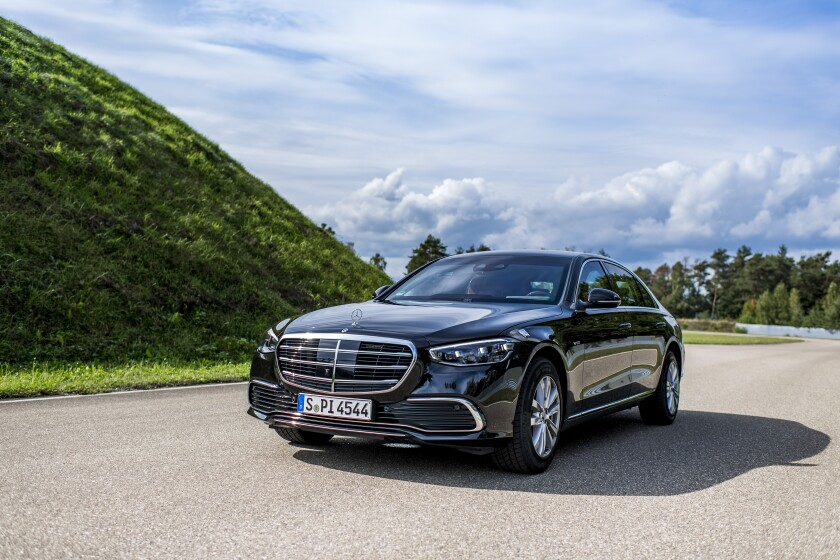
Yes—but when done professionally, the impact is carefully managed.
Since armor adds weight, you may notice:
- Slightly lower fuel efficiency
- Increased vehicle weight
- Different handling characteristics
- Reduced acceleration compared to the stock model
Professional upgrades to the suspension, brakes, and structural components help maintain safe and reliable performance.
Is Bulletproofing Legal in India?
Yes, vehicle armoring is legal when carried out in accordance with applicable laws and regulations.
It’s essential to work with an experienced armoring company that uses certified ballistic materials and follows recognized safety standards. Proper documentation and compliance are important parts of the process.
Why Professional Armoring Matters
Vehicle armoring isn’t just about installing steel plates or thicker glass.
A professionally armored vehicle is engineered as a complete protective system, where every component works together. Poor-quality installations can leave hidden weak points that reduce overall safety.
Choosing a trusted armoring specialist ensures the vehicle delivers reliable protection without compromising structural integrity or daily usability.
Final Thoughts
Understanding how bulletproofing a car works helps you appreciate the precision and engineering behind modern armored vehicles. From ballistic steel and bullet-resistant glass to reinforced suspension and certified protection levels, every element is designed with one purpose—keeping occupants safe in high-risk situations.
Whether you need discreet protection for daily travel or a higher level of security for specialized use, investing in professional vehicle armoring is an investment in peace of mind.
Protect What Matters Most with Big Toy Automotive
At Big Toy Automotive, we specialize in advanced vehicle armoring solutions tailored to your security requirements. Using high-quality ballistic materials, precision engineering, and industry-leading installation practices, we deliver armored vehicles that combine protection, reliability, and everyday comfort.
Whether you’re looking for BR4 executive protection or higher-level ballistic armoring, our experts are here to guide you through every step of the process.
Contact Big Toy Automotive today to schedule a consultation and discover the right bulletproofing solution for your vehicle.