

A Himalayan road trip can be one of the best adventures you can take in an SUV.
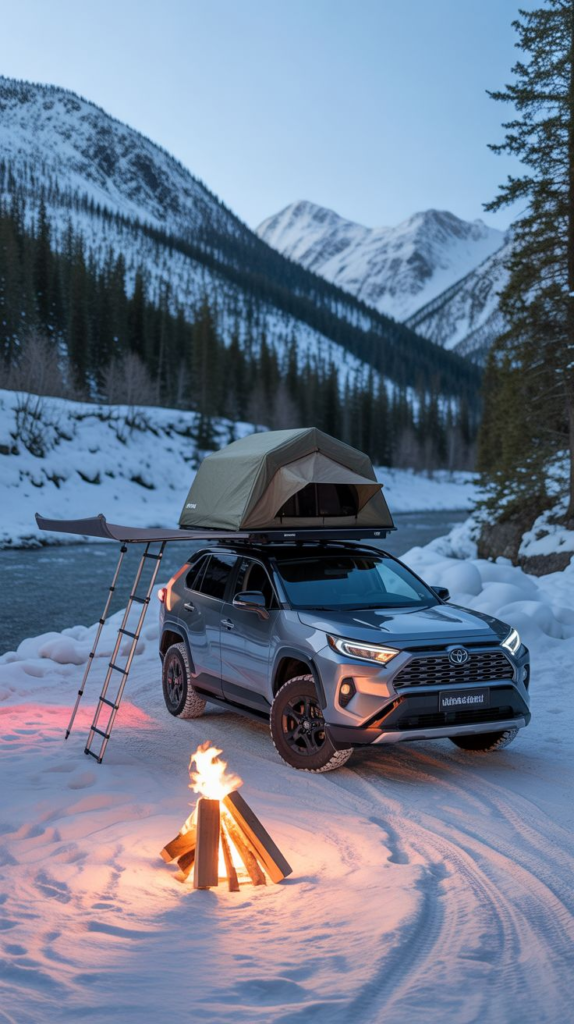
But once you leave the smooth highways behind, the vehicle faces a completely different environment. Rough tracks, rocks, mud, steep climbs, water crossings, cold weather, and long distances from service centers can put extra stress on your SUV.
A vehicle that feels perfectly fine in Delhi may behave very differently on a mountain trail.
That is why SUV preparation before a Himalayan off-road trip is not something you should leave until the night before departure.
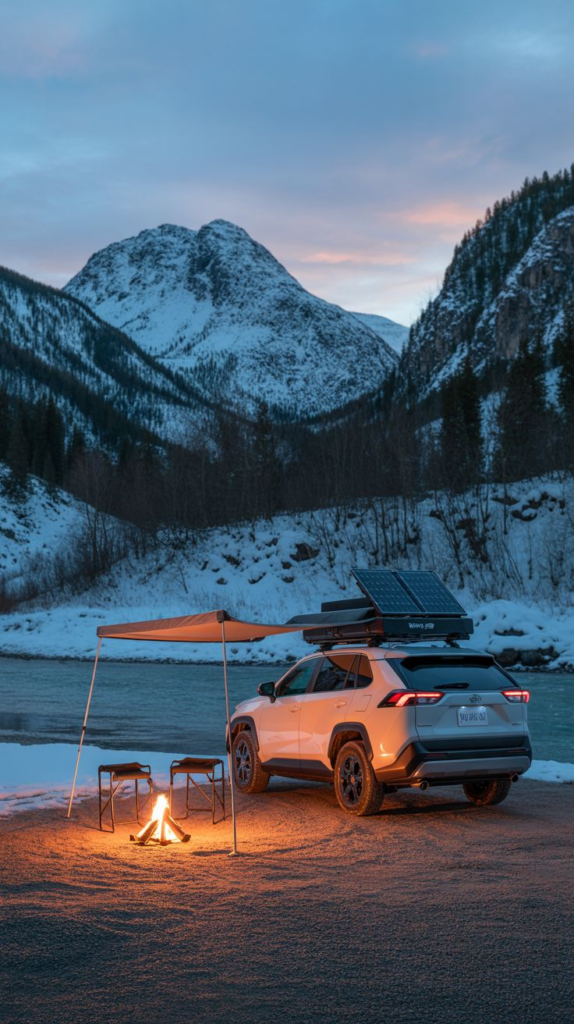
Your tires, brakes, suspension, battery, fluids, recovery equipment, and underbody all need attention. You also need to understand what your SUV can and cannot handle.
At Big Toy Automotive, we help SUV owners with servicing, maintenance, and vehicle modifications. In this guide, we cover the important checks you should make before taking your SUV into the Himalayas.
Why Himalayan Off-Roading Needs More Preparation
Mountain driving is different from normal city driving.
On a typical Delhi road, help may be only a few minutes away. In the mountains, a mechanical problem can leave you stranded for hours or even longer.
You may encounter:
- Broken roads
- Loose rocks
- Deep potholes
- Mud
- Snow or ice depending on the route and season
- Water crossings
- Steep climbs and descents
- Sharp turns
- Limited mobile connectivity
- Cold temperatures
Your SUV needs to be ready for all of these conditions.
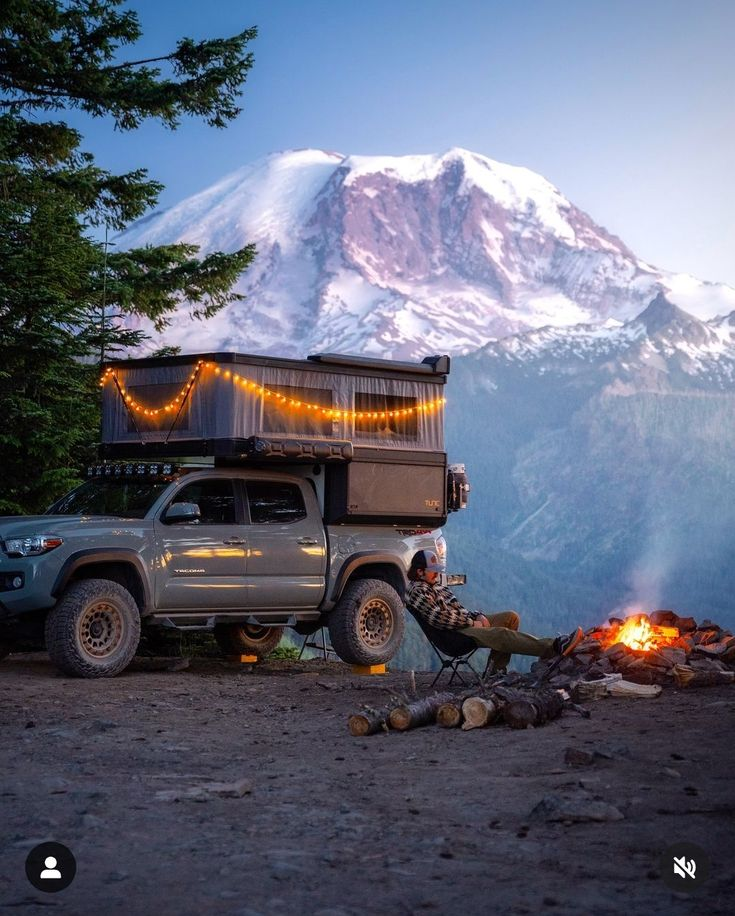
The goal is not to turn your vehicle into an extreme off-road machine.
The goal is to make sure it is reliable, mechanically healthy, and properly equipped for the route you plan to take.
1. Start With a Complete Vehicle Inspection
Do not begin your preparation by buying accessories.
Start with the basics.
Get the SUV inspected by a qualified technician before the trip.
Ask them to check:
- Engine
- Transmission
- Brakes
- Suspension
- Steering
- Battery
- Cooling system
- Belts and hoses
- Fluids
- Tyres
- Electrical systems
- Underbody
This can identify problems that may not be obvious during everyday driving.
A small suspension noise in Delhi may become a much bigger issue after several hours on a rough mountain trail.
2. Check Your Tires Carefully
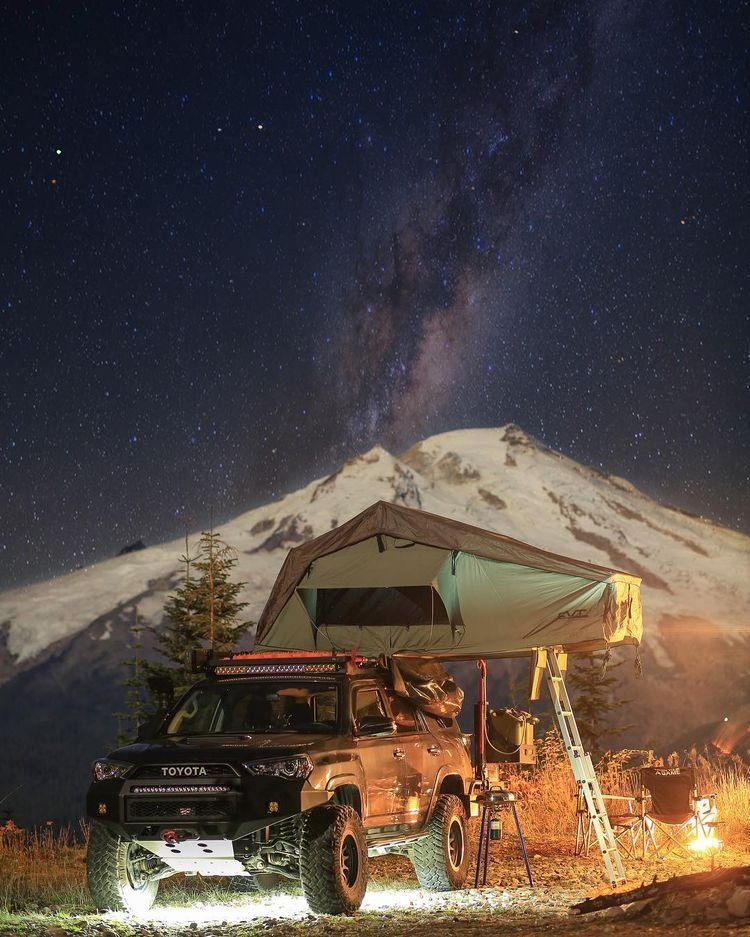
Your tyres are one of the most important parts of the SUV for Himalayan travel.
Inspect the:
- Tread depth
- Sidewalls
- Air pressure
- Tyre age
- Cuts and cracks
- Uneven wear
- Spare tyre
If your route includes serious off-road sections, the right tire type becomes especially important.
Depending on your route and driving style, suitable all-terrain tires may offer advantages over tires designed mainly for highway driving.
But do not choose tires only because they look aggressive.
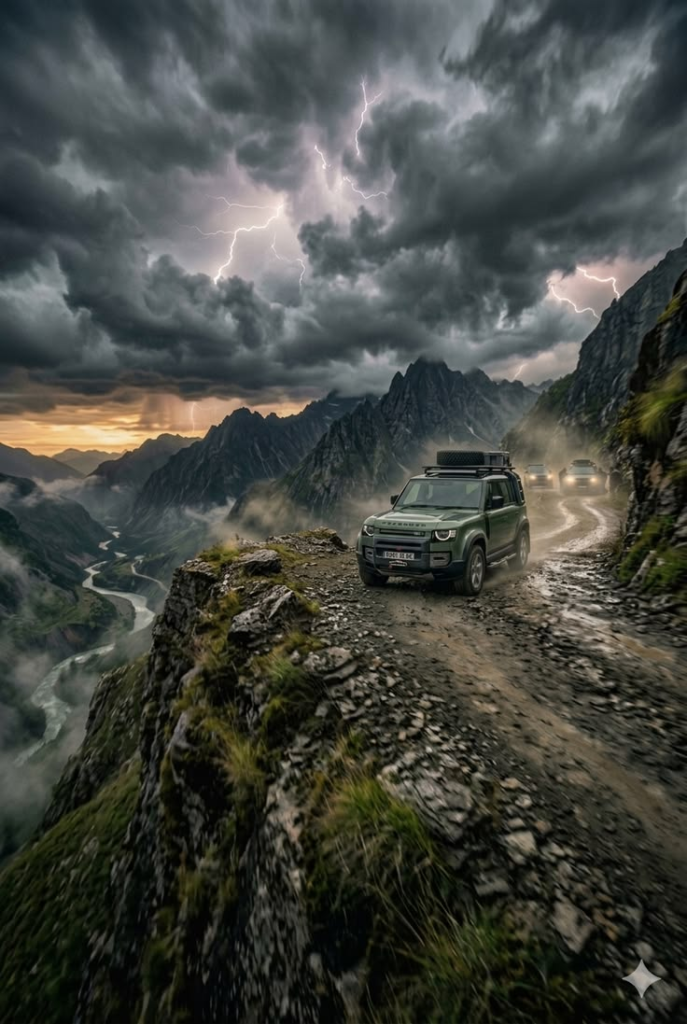
Consider:
- Road and off-road balance
- Wet grip
- Sidewall strength
- Load rating
- Noise
- Availability of replacement tires
Always carry a properly inflated spare.
A spare tire that has been sitting unused for years is not much help if it is damaged or underinflated.
3. Check the Brakes Before the Mountains
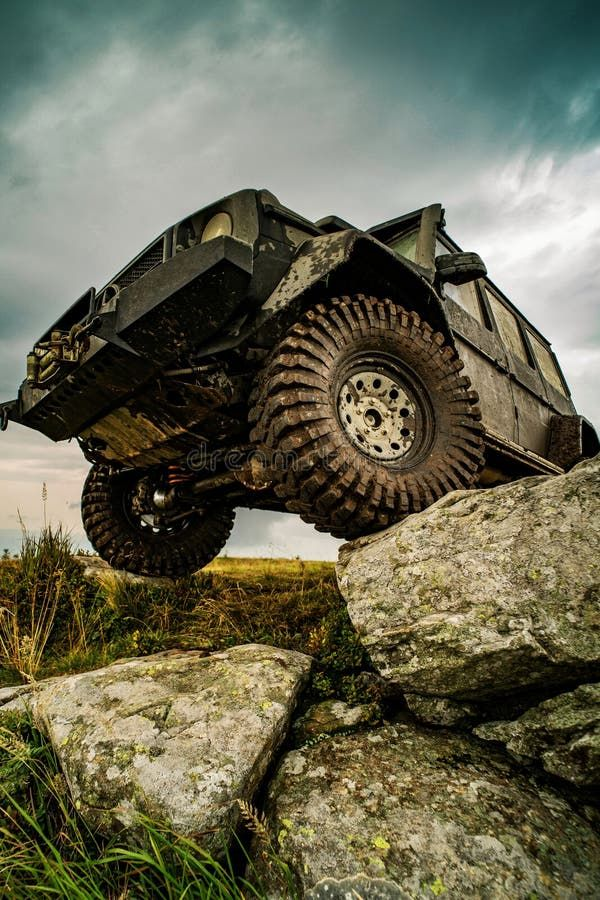
Brakes are critical on mountain roads.
Steep descents can put much more stress on the braking system than normal city driving.
Before leaving, inspect:
- Brake pads
- Brake discs or drums
- Brake fluid
- Brake lines
- Parking brake
If the brake pads are already close to the replacement limit, replace them before the trip rather than waiting.
And remember that good mountain driving is not about continuously pressing the brake pedal.
On suitable descents, use the appropriate lower gear and engine braking as recommended for your vehicle.
4. Inspect the Suspension and Steering
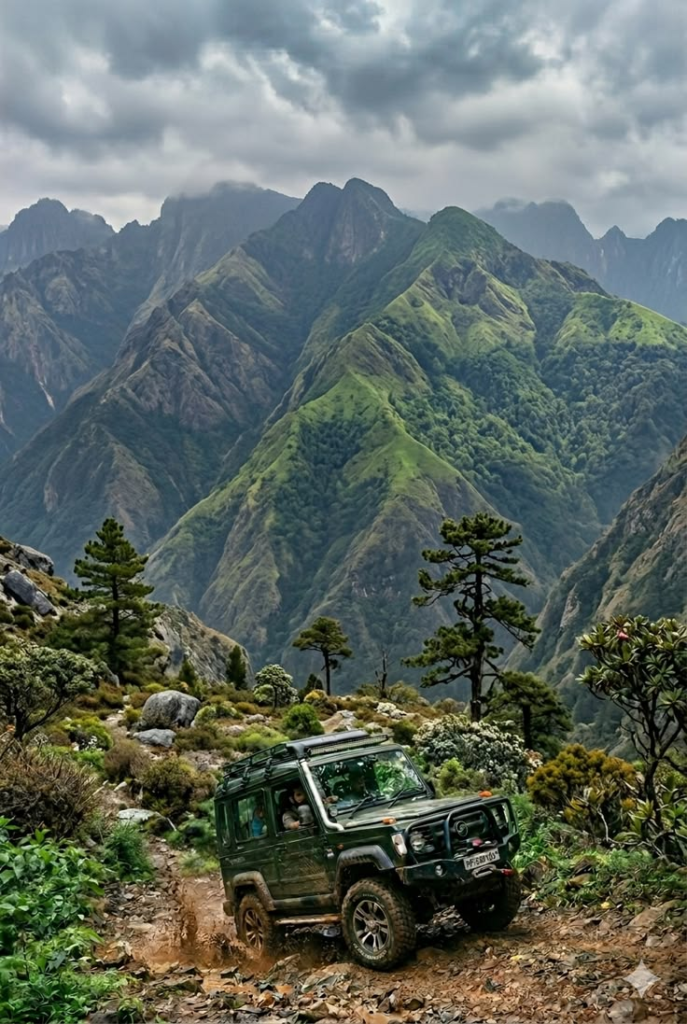
Himalayan trails can be rough.
Rocks, potholes and uneven surfaces can put significant stress on suspension and steering components.
Ask your technician to check:
- Shock absorbers
- Springs
- Bushes
- Ball joints
- Tie rods
- Steering components
- Wheel alignment
Look for leaks, excessive play, unusual noises, or uneven tire wear.
If your SUV already has suspension problems, fix them before the trip.
Do not assume the mountain trail will be gentle on the vehicle.

5. Check Engine Oil and Other Fluids
Before a long mountain trip, inspect all important fluids.
This includes:
- Engine oil
- Coolant
- Brake fluid
- Transmission fluid
- Differential oil, where applicable
- Transfer-case fluid, where applicable
- Power steering fluid, where applicable
- Windshield washer fluid
If a service is due soon, consider completing it before the trip.
Also look for leaks.
A small oil or coolant leak that seems manageable in the city can become a serious problem when you are far from a workshop.
6. Pay Attention to the Cooling System

Long climbs can put additional load on the engine.
A healthy cooling system is therefore important.
Check:
- Coolant level
- Radiator condition
- Hoses
- Cooling fan
- Radiator fins
- Signs of leakage
Do not ignore an engine that has previously shown overheating symptoms.
Have the problem diagnosed before heading into the mountains.
7. Check the Battery
Cold mountain mornings can be hard on a weak battery.
If your SUV is slow to start in Delhi, do not assume it will improve in the Himalayas.
Get the battery tested before leaving.
Also inspect:
- Battery terminals
- Cable connections
- Charging system
- Battery age
If the battery is already near the end of its service life, replacing it before the trip may be worth considering.
8. Protect the Underbody

The underside of your SUV can take a lot of punishment on rocky trails.
Depending on your vehicle and route, suitable underbody protection can help protect vulnerable components.
Areas that may need attention include:
- Engine sump
- Transmission
- Transfer case
- Fuel tank
- Differential
Underbody protection should be designed appropriately for the vehicle rather than added simply for appearance.
Also remember that protection adds weight. Any modification should be considered as part of the vehicle’s overall setup.
9. Check Your 4×4 or Off-Road System

If your SUV has 4WD or other off-road driving systems, understand how they work before reaching the mountains.
Know:
- How to select the appropriate drive mode
- When low range should be used, if equipped
- How traction control behaves
- What your vehicle’s hill descent system does, if available
- What the warning lights mean
Do not wait until you are stuck on a steep trail to learn how the system works.
Read the owner’s manual and practise using the controls in a safe environment.
10. Carry Proper Recovery Equipment
Even a capable SUV can get stuck.
Mud, loose rocks and unexpected obstacles can defeat a vehicle if traction is lost.
Your recovery kit should be suitable for your vehicle.
Depending on the trip, it may include:
- Rated recovery points
- Suitable recovery strap
- Shackles appropriate for the recovery system
- Tyre inflator
- Tyre pressure gauge
- Puncture repair kit
- Jack suitable for the vehicle
- Wheel chocks
- Basic tools
- Tow equipment where appropriate
Most importantly, know how to use your recovery equipment.
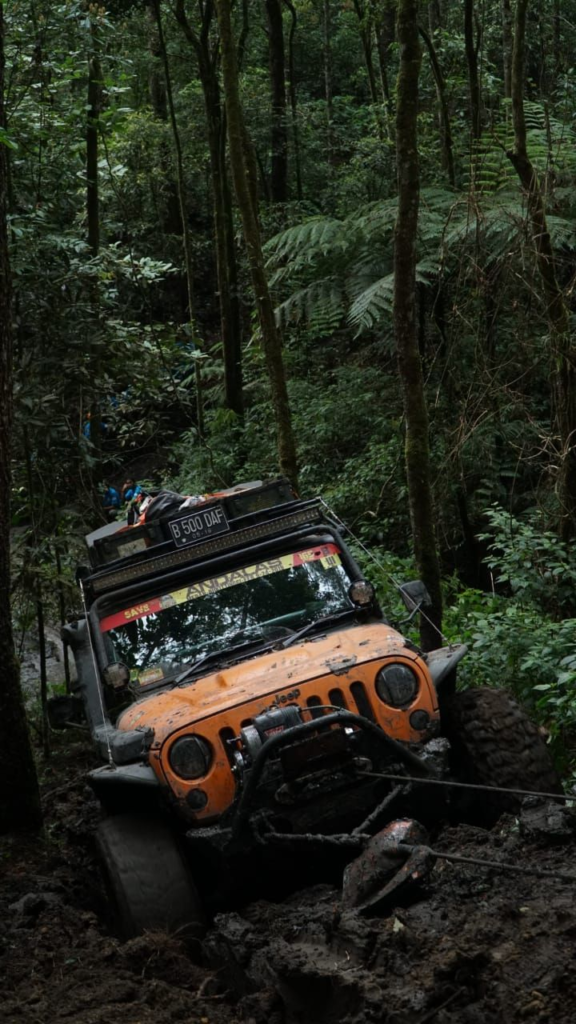
Incorrect recovery methods can damage the vehicle or seriously injure people nearby.
11. Do Not Forget Basic Spare Parts and Tools
You do not need to carry an entire workshop.
But a few useful items can make a difference if something small goes wrong.
Depending on your vehicle and route, consider carrying:
- Spare fuses
- Basic tools
- Jumper cables
- Torch
- Work gloves
- Electrical tape
- Cable ties
- Emergency tyre equipment
For longer or remote routes, ask your mechanic which vehicle-specific spares make sense for your SUV.
12. Prepare for Cold Weather and Altitude
Your vehicle is not the only thing that needs preparation.
You also need to prepare yourself.
High-altitude areas can have rapidly changing weather and limited facilities.
Carry suitable:
- Warm clothing
- Waterproof layers
- Food and water
- First-aid supplies
- Power banks
- Offline maps
- Emergency contacts
If travelling to high altitude, learn about altitude-related illness before your trip and do not ignore symptoms.
Weather conditions can also change quickly in mountain regions, so check local forecasts and route conditions before setting out.
13. Do Not Overload Your SUV
It is tempting to pack everything for a Himalayan trip.
But extra weight affects the vehicle.
An overloaded SUV can experience:
- Reduced ground clearance
- Increased braking distance
- More suspension stress
- Higher tyre load
- Greater fuel consumption
- Different handling
Carry what you actually need.
Distribute luggage properly and stay within the vehicle’s recommended load limits.
14. Check Your Lights
Mountain roads can become dark very quickly.
Check:
- Headlights
- High beam
- Low beam
- Fog lights
- Brake lights
- Indicators
- Reverse lights
Clean the headlight lenses and replace faulty bulbs before departure.
If you are considering additional lighting for off-road use, make sure the setup is suitable for the vehicle and complies with applicable road-use requirements.
15. Get the SUV Checked After the Trip
Preparation should not stop when you return.
After a difficult Himalayan trip, inspect the vehicle again.
Look for:
- Underbody damage
- Oil or fluid leaks
- Tyre cuts
- Suspension damage
- Loose components
- Brake wear
- Alignment issues
- Mud accumulation
Wash the underbody properly, especially if the SUV has travelled through mud or water.
If you noticed unusual sounds or vibrations during the trip, tell your technician exactly when they occurred.
That information can help identify the problem faster.
Should You Modify Your SUV Before a Himalayan Trip?
Not every SUV needs extensive modifications.
The right setup depends on the route.
For a mostly paved mountain journey with occasional rough sections, standard equipment in good condition may be sufficient.
For regular off-road use, owners may consider:
- All-terrain tyres
- Suitable underbody protection
- Recovery points
- Suspension upgrades
- Appropriate off-road accessories
- Additional storage or recovery equipment
However, modifications should be selected according to actual requirements.
A modification that works well on one SUV may not be suitable for another.
How Big Toy Automotive Can Help

Preparing an SUV for the Himalayas is not just about installing accessories.
The foundation is a mechanically healthy vehicle.
At Big Toy Automotive, we can help SUV owners with car servicing, maintenance, inspections, denting and painting, modifications and other automotive requirements.
If your SUV is heading towards a challenging mountain route, a pre-trip inspection can help identify issues with tyres, brakes, suspension, fluids, battery and other important systems.
If you are planning modifications, our team can also help you understand which changes may suit your vehicle and intended use.
Final Himalayan SUV Checklist
Before you leave, make sure you have checked:
- Engine and transmission
- Engine oil and fluids
- Coolant and cooling system
- Battery
- Brakes
- Suspension
- Steering
- Tyres and spare tyre
- 4×4 system
- Underbody
- Lights
- Recovery equipment
- Puncture repair equipment
- Basic tools
- Emergency supplies
- Weather and route conditions
Final Thoughts
A Himalayan off-road trip should be about enjoying the mountains, not worrying about whether your SUV will make it back.
Good preparation does not mean adding every modification available.

It means starting with a healthy vehicle, choosing equipment according to your route and knowing how to use it.
Check the basics, inspect the SUV properly, carry suitable recovery equipment and respect the terrain.
Planning a Himalayan adventure? Get your SUV checked and prepared with Big Toy Automotive before you head towards the mountains.
A little preparation in Delhi can save you from a major problem many kilometres away from the nearest workshop.
Frequently Asked Questions
1. What should I check before taking my SUV to the Himalayas?
Start with the engine, fluids, brakes, tyres, battery, suspension, steering, cooling system and 4×4 system. Also check the spare tyre and recovery equipment.
2. Are all-terrain tyres necessary for a Himalayan trip?
Not necessarily. It depends on your route. If most of the journey is on paved roads, your normal tyres may be suitable if they are in good condition. More challenging off-road routes may benefit from suitable all-terrain tyres.
3. Should I install a suspension lift before a Himalayan trip?
Not automatically. A lift may be useful for certain off-road setups, but it also changes the vehicle’s geometry and handling. Any suspension modification should be selected according to the vehicle and intended use.
4. What recovery equipment should I carry?
Carry recovery equipment appropriate for your SUV, along with a tyre inflator, puncture repair kit, suitable jack and basic tools. Make sure you understand how to use the equipment safely before the trip.
5. Should I service my SUV before a Himalayan road trip?
Yes, especially if the next scheduled service is approaching or the vehicle has existing issues. A pre-trip inspection can identify problems with brakes, tyres, suspension, fluids, battery and other components before you travel.
Table of Contents
Latest News
Read Related Blogs