
When people hear the words “bulletproof car,” they often imagine thick metal panels and heavily protected windows. But armouring a vehicle is much more than simply adding protective material to the doors.
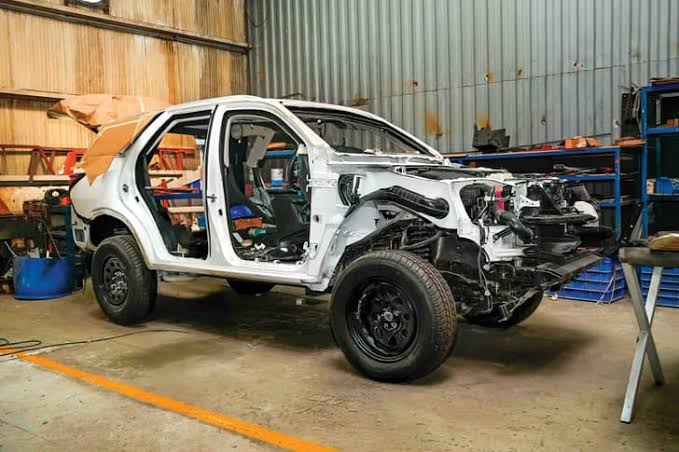
The doors are one of the most important areas of an armored vehicle. Once they are upgraded, several things can change—including the door weight, hinges, locking system, window operation, handling, and maintenance requirements.
For someone considering a bulletproof car in India, understanding these changes is important before starting the armoring process.
At Big Toy Automotive, we work on vehicle protection and automotive modifications with a focus on practical requirements, proper installation and the vehicle’s overall usability. In this guide, we explain what happens to car doors after armouring and what owners should expect.
What Does Bulletproofing a Car Door Actually Involve?
A standard car door is designed mainly for comfort, structural strength and everyday safety. It is not normally designed to stop ballistic threats.
During an armoring upgrade, additional protective materials can be integrated into the door structure. Depending on the required protection level and vehicle design, this can include ballistic steel, aramid materials, composite protection, or other certified protective solutions.
The exact materials and construction depend on:
- Vehicle model
- Required protection level
- Door design
- Available space inside the door
- Overall vehicle weight
- Intended use of the vehicle
- Applicable safety and engineering requirements
The goal is not simply to make the door thicker. The protection needs to be properly integrated while keeping the door functional.
1. The Door Becomes Heavier
This is usually the biggest change an owner notices.
A normal car door has a certain weight. After armoring, additional protective material can significantly increase that weight.
This extra weight affects more than just the feeling of opening the door.
The additional load can put more stress on:
- Door hinges
- Door check straps
- Mounting points
- Door frames
- Lock mechanisms
That is why proper engineering is extremely important.
An armored door should not simply be fitted with protective material and left with the original hardware if that hardware cannot safely handle the additional load.
2. Hinges May Need Upgrades
Think about a normal door. You can easily open it with one hand.
Now imagine adding substantial additional weight to that same door.
The original hinges may not have been designed for that load.
Depending on the vehicle and armour configuration, the door structure and hinge system may need reinforcement or upgrading.
A properly engineered armouring job considers how the additional weight is distributed and how the door will behave over thousands of opening and closing cycles.
This is particularly important for vehicles used every day.
3. Door Opening and Closing Can Feel Different
After armouring, the doors may feel heavier.
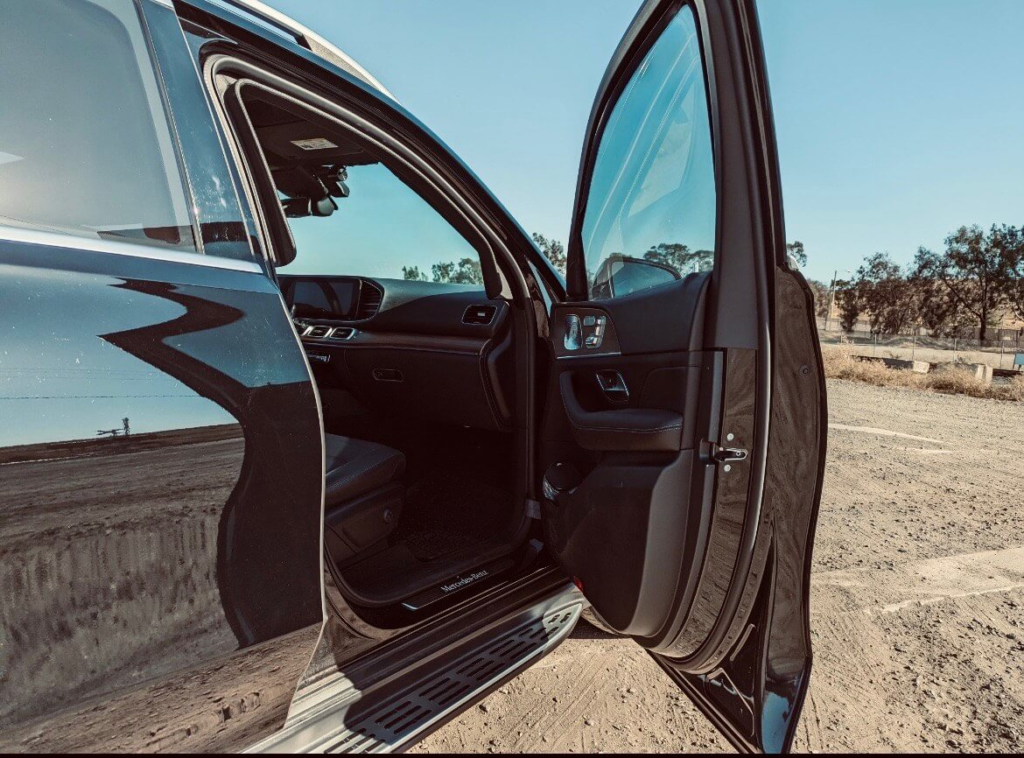
You may need slightly more effort to open or close them. The closing sound can also change because the internal structure has been modified.
This does not automatically mean something is wrong.
However, the door should still open, close and latch properly.
If you notice:
- Door sagging
- Difficulty closing
- Uneven gaps
- Excessive force required to shut the door
- Unusual noises
the vehicle should be inspected.
A properly completed upgrade should focus on both protection and usability.
4. The Window System Can Change

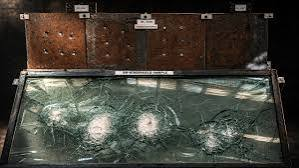
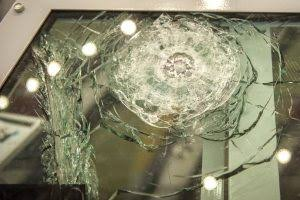
The glass is another important part of an armoured door.
Standard automotive glass is not designed for the same level of ballistic protection as specialised ballistic glass.
When ballistic glass is installed, it is generally much thicker and heavier than standard car glass.
This can affect the window mechanism.
The original window motor, regulator and mounting system may not be designed to move the additional weight.
As a result, the window system may require suitable modifications or stronger components.
In some armoured vehicles, window movement may also be limited depending on the protection design.
This is something the owner should understand before the conversion begins.
5. Door Locks and Handles Need Attention
Adding protection inside a door can affect the available space around the locking mechanism.
The door handle, lock, central locking system and internal cables still need to work correctly after the upgrade.
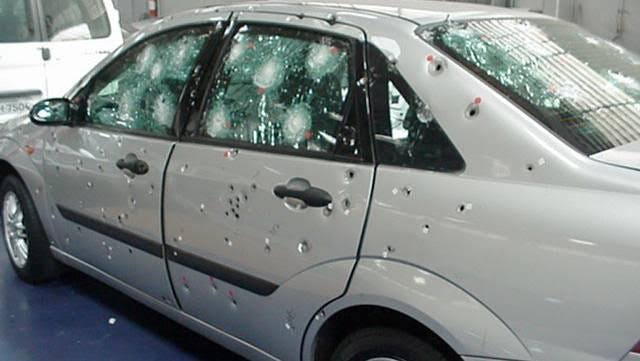
A poorly planned installation can create problems such as:
- Stiff door handles
- Difficult locking
- Slow central locking response
- Misalignment
- Problems with the internal release mechanism
For this reason, the door should be designed as a complete system rather than treating armour as an additional layer.
6. The Vehicle Becomes Heavier Overall
Door armour is only one part of a complete armouring system.
If other areas of the vehicle are also protected, the overall weight can increase considerably.
This additional weight can influence:
- Acceleration
- Braking
- Suspension response
- Tyre wear
- Fuel consumption
- Handling
The exact effect depends on the vehicle, armour specification and how the protection is distributed.
This is why a professional armouring process should consider the vehicle as a complete package.
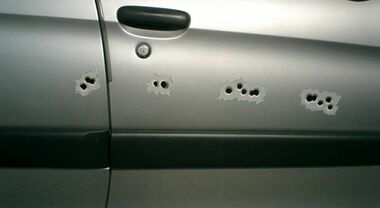
Adding protection without considering the vehicle’s original systems can create unnecessary mechanical stress.
7. Suspension May Need to Be Considered
Extra weight can place additional load on the suspension.
If the vehicle is significantly heavier than its original configuration, suspension components may need to be assessed and, where appropriate, upgraded to suit the new weight.
This can include checking:

- Springs
- Dampers
- Bushes
- Suspension mounting points
- Wheel alignment
The objective is to maintain stable and predictable vehicle behaviour.
8. Braking Performance Becomes More Important
More weight means the braking system has more mass to control.
That does not mean an armoured vehicle cannot brake safely. It means the braking system needs to be suitable for the vehicle’s final weight and configuration.
During an armouring project, the braking system should therefore be properly evaluated.
Owners should also remember that tyre condition, brake condition, road surface and driving behaviour all influence stopping distance.
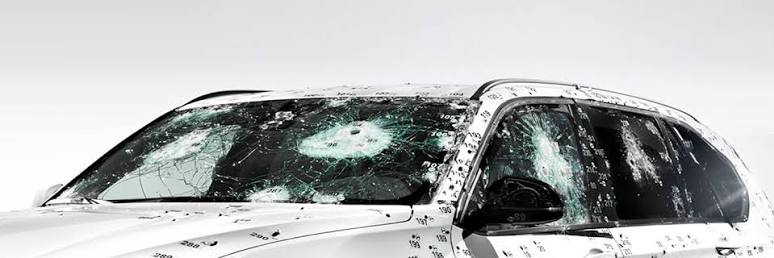
9. The Car May Feel Different on the Road
An armoured vehicle may not feel exactly like the original factory vehicle.
You may notice changes in:
- Acceleration
- Steering response
- Braking feel
- Body movement
- Door operation
- Window operation
These changes are a normal consequence of modifying a vehicle’s weight and structure.
The important point is that the vehicle should be properly engineered and tested after the modifications.
A road test and inspection can help identify issues such as unusual noises, alignment problems or changes in vehicle behaviour.
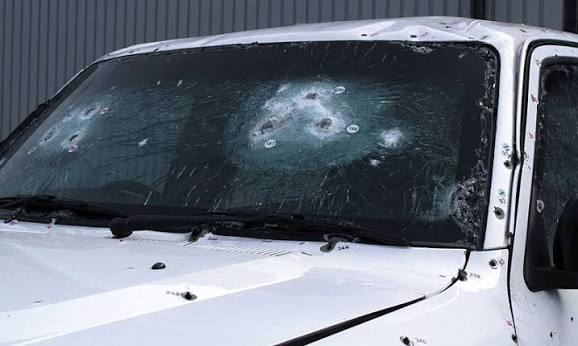
10. Maintenance Becomes More Important
An armoured vehicle needs regular maintenance just like any other vehicle, but some components may deserve extra attention because of the additional weight.
During routine servicing, it is useful to inspect:
- Door hinges
- Door mounting points
- Locks
- Window mechanisms
- Door seals
- Suspension
- Brakes
- Tyres
- Wheel alignment
Do not wait until a door becomes difficult to operate.
Small problems are easier to address when detected early.
What About Door Seals and Noise?
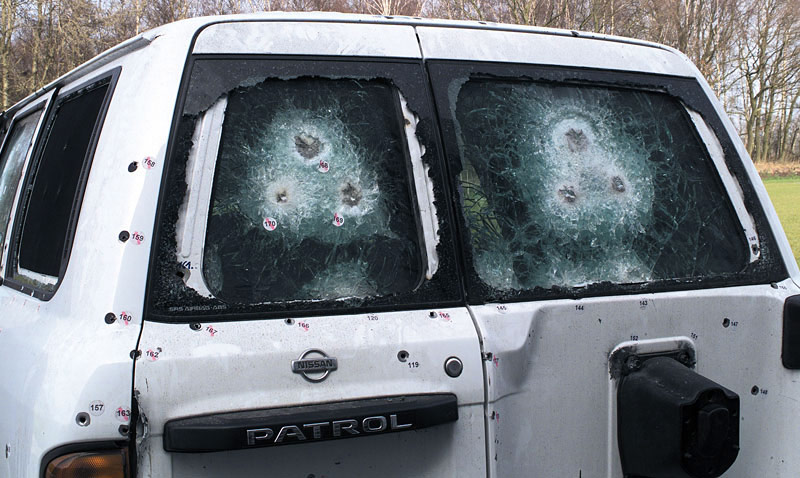
Door modifications can also affect sealing.
A properly installed system should maintain suitable door sealing against rain, dust and normal road conditions.
If seals are damaged or incorrectly fitted, owners may notice:
- Wind noise
- Water leakage
- Dust entering the cabin
- Difficulty closing the door
Door seals are easy to overlook, but they are important for everyday comfort.
Does Armouring Make the Car Completely Bulletproof?
This is an important point.
The term “bulletproof car” is commonly used, but no vehicle should be assumed to provide unlimited protection against every type of threat.
Protection depends on the vehicle’s design, materials, tested protection level, installation quality and the specific threat the system is designed to address.
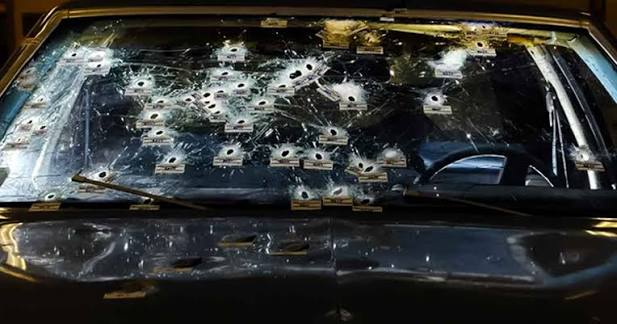
Different armour configurations provide different levels of protection.
Therefore, owners should ask for clear information about the protection specification rather than relying only on the term “bulletproof.”
What Should You Ask Before Armouring Your Car?
Before handing over your vehicle for an armouring project, ask practical questions.
Ask about the protection level
Understand exactly what level of protection is being provided and what the system is designed to protect against.
Ask about additional weight
You should know how much weight the modifications are expected to add.
Ask about mechanical upgrades
Find out whether the suspension, brakes, hinges, window mechanisms or other components need modification.
Ask about testing and quality checks
Understand how the completed vehicle will be inspected and tested before delivery.
Ask about maintenance
Ask which components require additional inspection after the vehicle is armoured.
Good communication before the project can prevent confusion later.
Why Professional Installation Matters
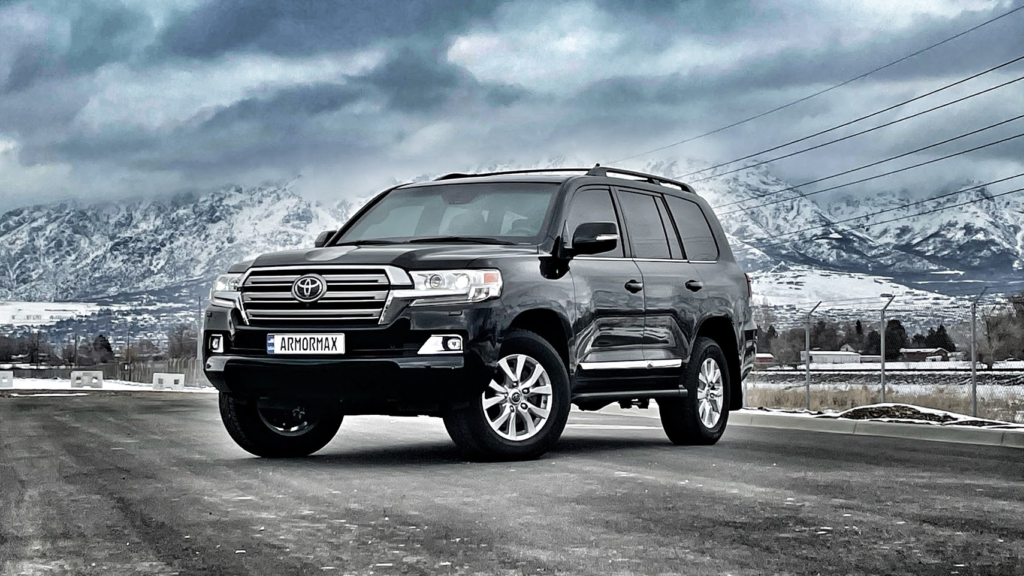
Armouring is not simply about adding protective plates to a vehicle.
The protection needs to be integrated into the vehicle while considering doors, windows, locks, hinges, electrical systems, suspension, brakes and overall weight.
A poor installation can affect everyday usability and potentially create additional mechanical problems.
At Big Toy Automotive, we understand that a vehicle modification should be approached as a complete automotive project. Our team can help with vehicle protection requirements, armouring-related work and other automotive services while keeping the vehicle’s practical use in mind.
If you are considering bulletproofing your car, discuss the vehicle model, intended use, protection requirements and expected modifications before starting the work.
Final Thoughts
Armouring a car changes more than its appearance.
The doors can become heavier. Hinges and mounting points may need attention. Ballistic glass can affect the window mechanism. Locks and handles need to remain functional. The additional weight can also influence suspension, braking, tyres and overall driving behaviour.

The right approach is to look at the entire vehicle rather than treating the doors as an isolated upgrade.
For a vehicle owner, the most important thing is to understand what is being changed, why it is being changed and how the finished vehicle will be maintained.
If you are planning a bulletproof car upgrade in Delhi, getting a professional inspection and discussing the complete modification plan before work begins can help you make a more informed decision.
Ready to Discuss Your Vehicle?
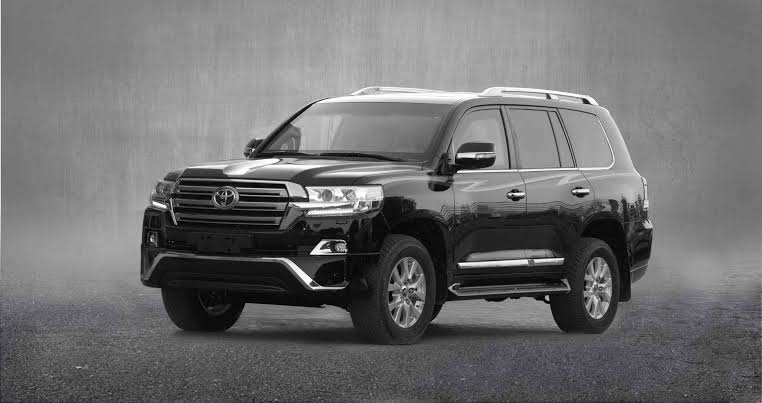
If you are considering vehicle armouring or need advice about your car’s modification requirements, contact Big Toy Automotive. Our team can assess your vehicle and discuss suitable automotive protection and modification solutions based on your requirements.
Big Toy Automotive — Professional Automotive Service & Vehicle Protection Solutions.
Frequently Asked Questions
1. Do bulletproof car doors become heavier?
Yes. Additional protective materials and ballistic glass can significantly increase the weight of the doors compared with standard factory doors.
2. Does armouring affect the car’s performance?
It can. The additional vehicle weight may affect acceleration, braking, handling, fuel consumption and suspension behaviour. The final effect depends on the vehicle and the complete armour configuration.
3. Do bulletproof car windows work like normal windows?
Not always. Ballistic glass is generally much thicker and heavier than standard automotive glass. Depending on the vehicle and protection design, the window mechanism and amount of movement may need to be modified.
4. Do armoured car doors need special maintenance?
They may require additional inspection of hinges, locks, window mechanisms, seals and mounting points. Regular servicing can help identify problems early.
5. How do I choose a bulletproof car armouring service?
Look for a provider that clearly explains the protection specification, materials, additional weight, required mechanical modifications, testing process and ongoing maintenance requirements. It is important to understand the complete modification before work begins.