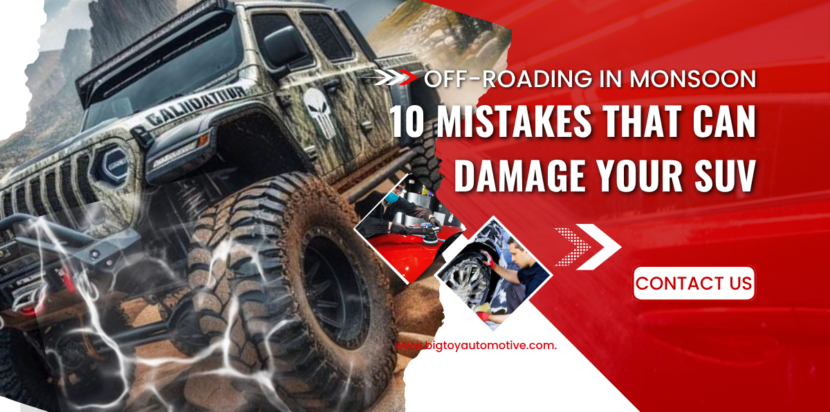
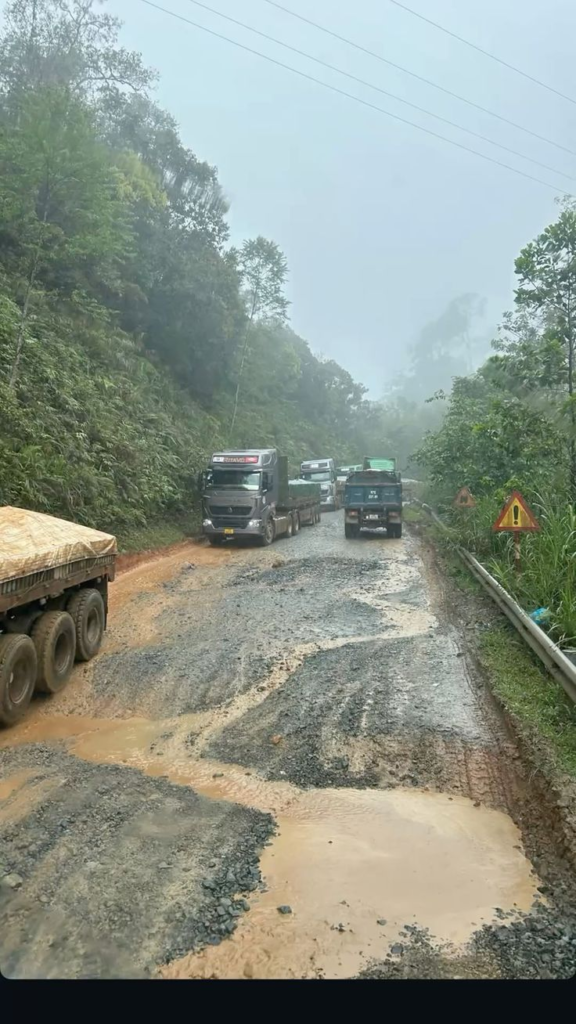
A monsoon can completely change an off-road trail.
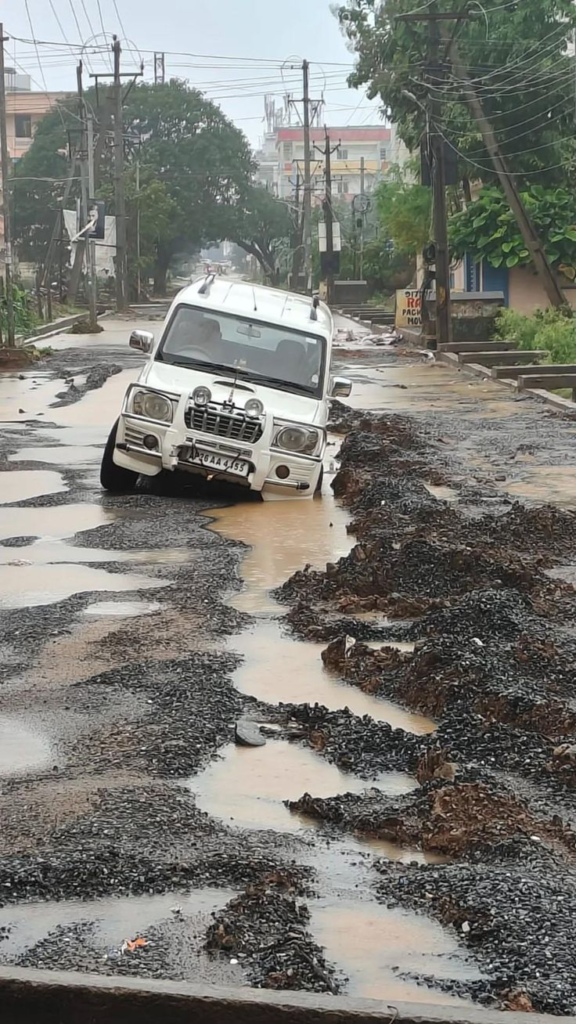
A dry dirt track can become slippery mud. A small water crossing can suddenly become deeper than expected. Rocks become harder to see, tires lose grip, and even a capable SUV can get stuck.
That is exactly why monsoon off-roading needs more preparation than a normal weekend drive.
Many SUV owners focus on having a powerful engine, big tires, or a 4×4 system. These things certainly help, but they do not make a vehicle damage-proof.
The wrong approach to a muddy trail can damage the engine, clutch, tires, suspension, brakes, underbody, or electrical components.
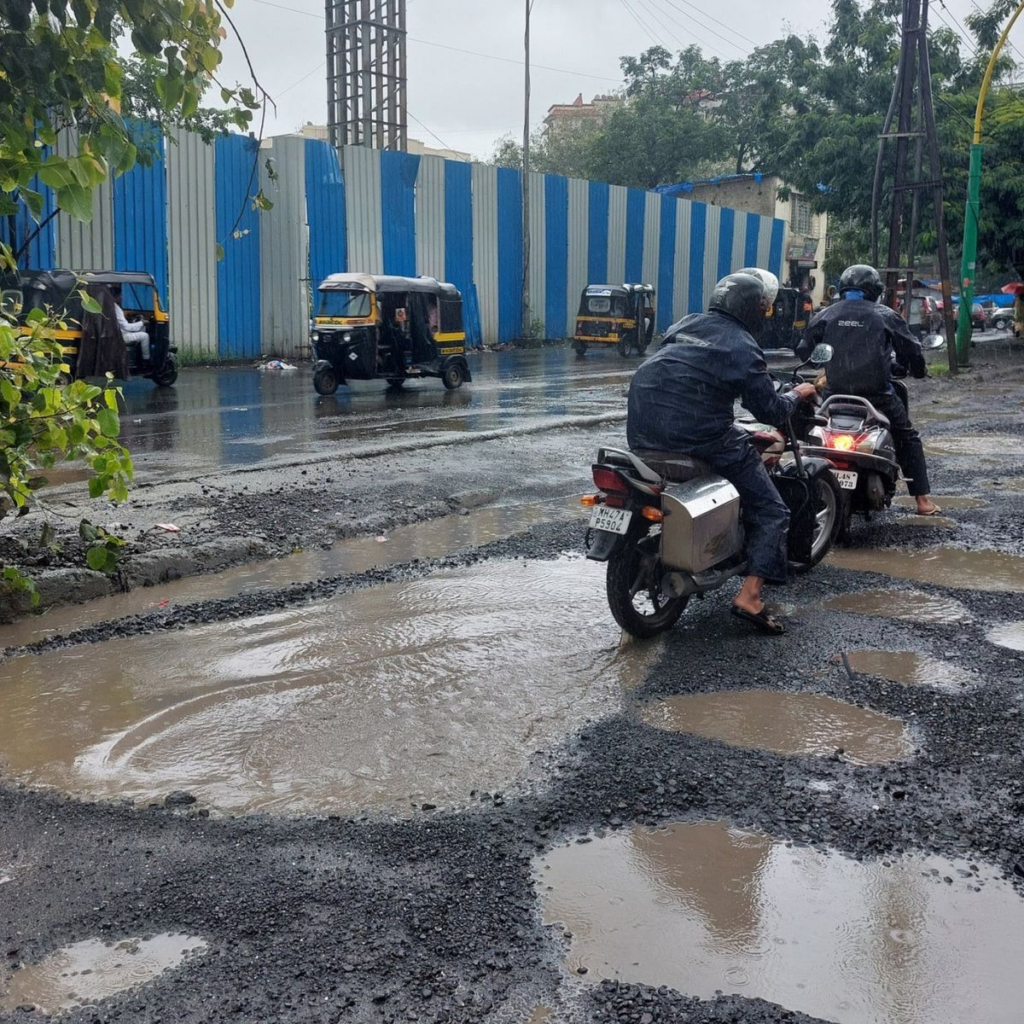
If you enjoy taking your SUV off-road during the rainy season, knowing what not to do can save you from an expensive repair later.
At Big Toy Automotive, we work with SUVs for servicing, maintenance and modifications. In this guide, we cover 10 common mistakes that can turn a fun monsoon trail into a costly workshop visit.
1. Entering Deep Water Without Checking It
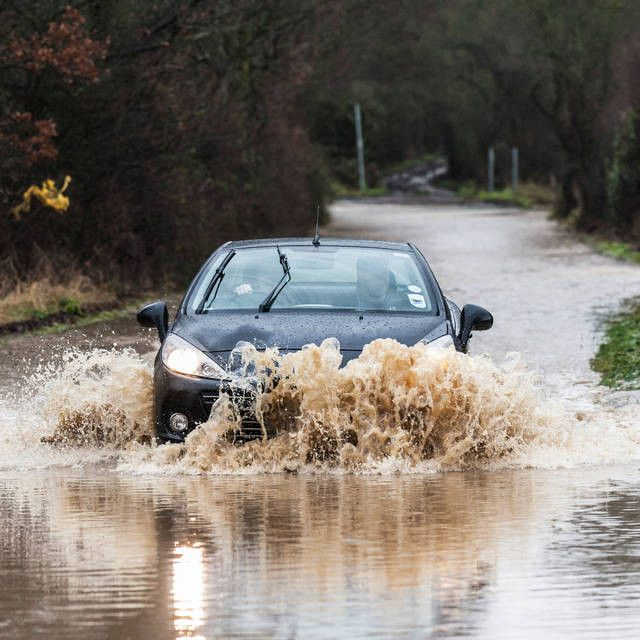
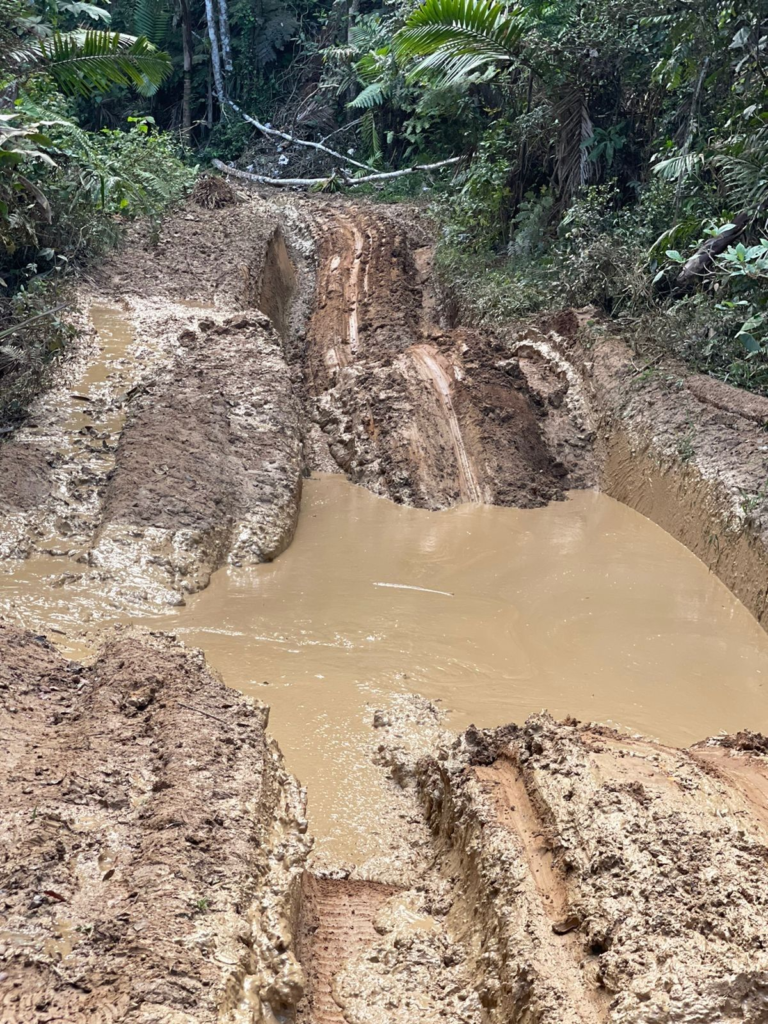
One of the biggest mistakes is driving into a water crossing without knowing how deep it is.
Rain can quickly change the depth of a trail. Mud, potholes, rocks, and broken surfaces may also be hidden underneath the water.
A water crossing that looks harmless from outside may be deeper than expected.
Before entering:
- Stop and inspect the crossing.
- Check the depth if it is safe to do so.
- Look for the exit point.
- Check the surface underneath.
- Avoid water with a strong current.
- Never take unnecessary risks just to complete a trail.
Water entering the wrong parts of the vehicle can cause serious damage.
The engine, air intake, electrical components, and drivetrain all need consideration before attempting a crossing.
Simple rule: If you cannot confidently judge the crossing, don’t enter it.
2. Driving Too Fast Through Mud
When you see a muddy section, your first instinct may be to build speed and charge through it.
That can work against you.
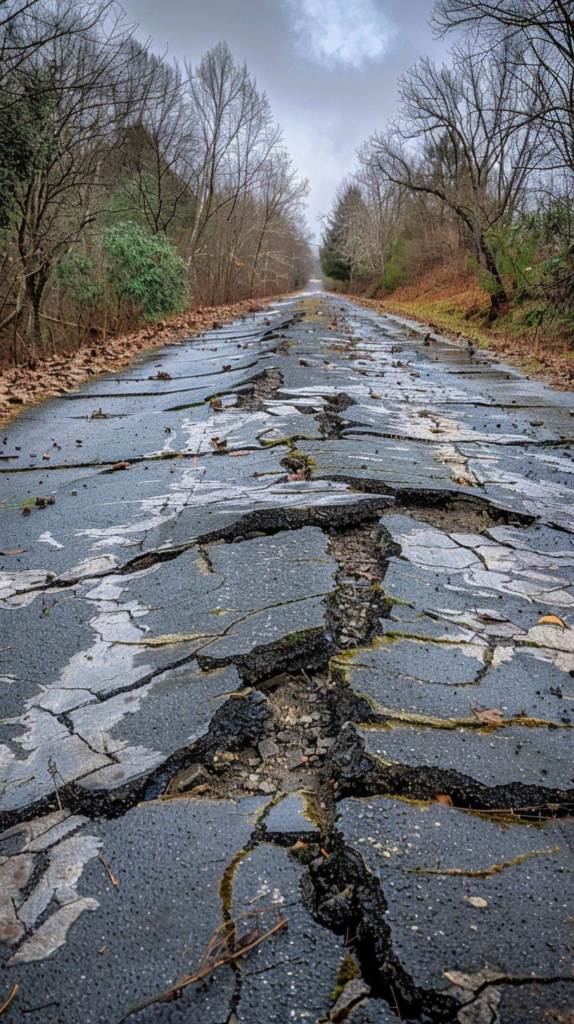
High speed can cause the tyres to spin aggressively, throw mud everywhere, and reduce your control.
It can also increase the chance of hitting hidden rocks, holes, or obstacles.
Instead, use controlled throttle input and maintain steady momentum.
The goal is not to drive through mud as quickly as possible.
The goal is to maintain enough traction to keep moving without losing control.
3. Ignoring Tyre Pressure
Tyres play a huge role in off-road performance.
Using normal road pressure on certain off-road surfaces may reduce the tire’s ability to conform to the terrain.
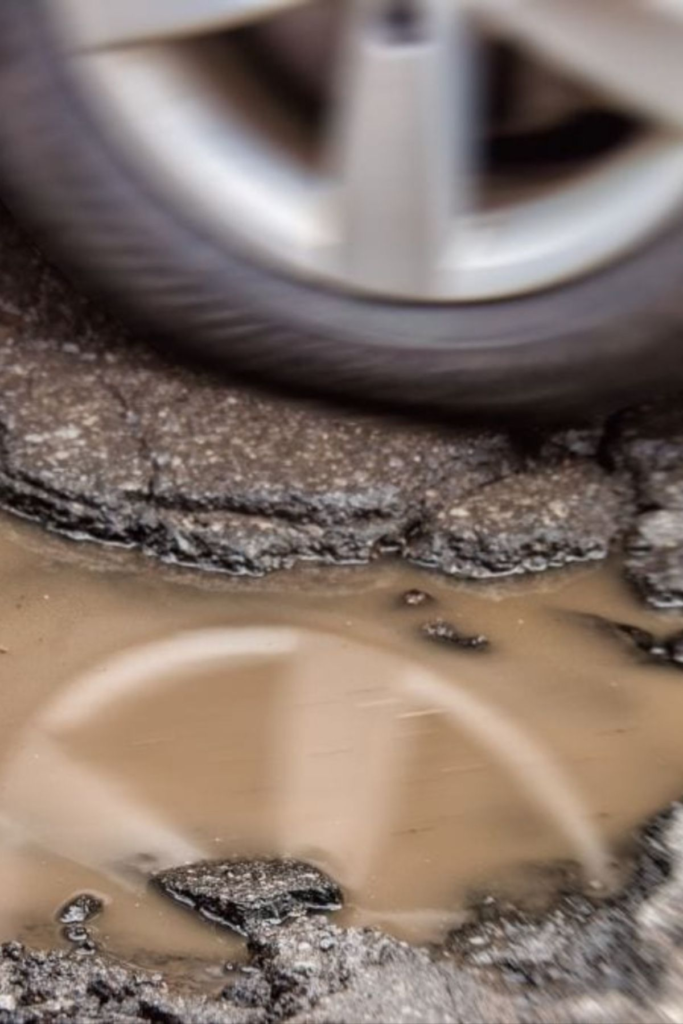
Depending on the tire, vehicle, and trail, adjusting tire pressure may improve traction on suitable surfaces.
However, there is no single tire pressure that works for every situation.
The correct pressure depends on:
- Tyre type
- Vehicle weight
- Terrain
- Load
- Manufacturer recommendations
If you adjust the pressure for off-road driving, remember to restore the appropriate road pressure before returning to normal highway driving.
Also inspect the tires for cuts, punctures, and sidewall damage after the trail.
4. Spinning the Tires Continuously
Wheelspin may look exciting, but it can quickly become a problem.
If your tires are spinning without moving the SUV forward, continuing to apply more throttle usually does not solve the problem.
It can:
- Dig the tires deeper into mud
- Increase tire temperature
- Damage the surface
- Put additional stress on drivetrain components
If you are stuck, stop and reassess the situation.
Sometimes changing your line, reducing wheelspin, or using appropriate recovery equipment is safer than continuing to accelerate.
5. Forgetting About the Underbody
The biggest danger during off-roading is not always visible from the driver’s seat.
Rocks, tree roots, deep ruts, and uneven ground can hit the underside of your SUV.
Important components underneath the vehicle can include:
- Engine sump
- Transmission
- Exhaust
- Fuel tank
- Suspension components
- Differential
- Brake lines
Before serious off-road trips, consider suitable underbody protection based on your vehicle and the terrain you plan to drive.
After a difficult trail, inspect the underside for dents, leaks, and loose components.
6. Using the Wrong Driving Mode
Modern SUVs may have different drive modes or traction settings.
Depending on the vehicle, these can include settings for mud, sand, snow, rocks, or low-speed off-road driving.
However, these systems work differently from one SUV to another.
Do not assume that pressing an off-road mode button will solve every traction problem.
Understand your vehicle’s system before entering difficult terrain.
Read the owner’s manual and learn what each mode actually changes.
For a modified SUV, it is also important to make sure that aftermarket modifications work properly with the vehicle’s original systems.
7. Riding the Clutch on Manual SUVs
If you drive a manual SUV, clutch control becomes particularly important during off-roading.
Using excessive clutch slipping to control the vehicle at low speeds can generate significant heat and accelerate clutch wear.
This is especially relevant when climbing, crawling, or repeatedly trying to move out of difficult terrain.
Use the appropriate gear and avoid unnecessary clutch slipping.
If you notice:
- Burning smell
- Clutch slipping
- Difficulty changing gears
- Unusual clutch pedal feel
get the vehicle inspected.
A trail is not the place to discover that your clutch was already worn.
8. Ignoring Brakes After a Muddy Trail
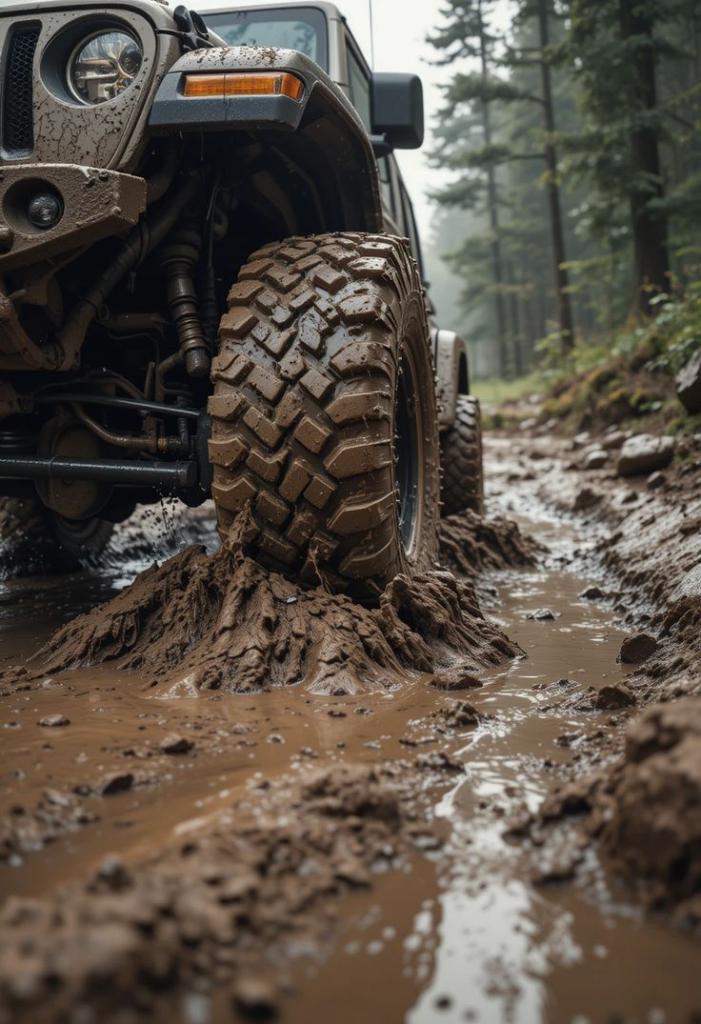
Mud and water can affect braking performance temporarily.
After a water crossing or muddy section, your brakes may not feel the same immediately.
Once it is safe, use controlled braking to help restore normal braking performance.
After returning from a serious off-road trip, inspect the brake system if you notice:
- Reduced braking
- Grinding sounds
- Vibrations
- Pulling to one side
- Unusual brake noise
Mud can also collect around wheels and other components, so a proper cleaning after the trip is important.
9. Driving Home Without Cleaning the SUV
This is a mistake many off-road enthusiasts make.
The SUV looks dirty, so you leave it that way for a few days.
The problem is that mud can hold moisture against different parts of the vehicle.
It can collect around:
- Wheel arches
- Suspension
- Brake components
- Underbody
- Chassis areas
- Door edges
After a monsoon off-road trip, wash the vehicle properly.
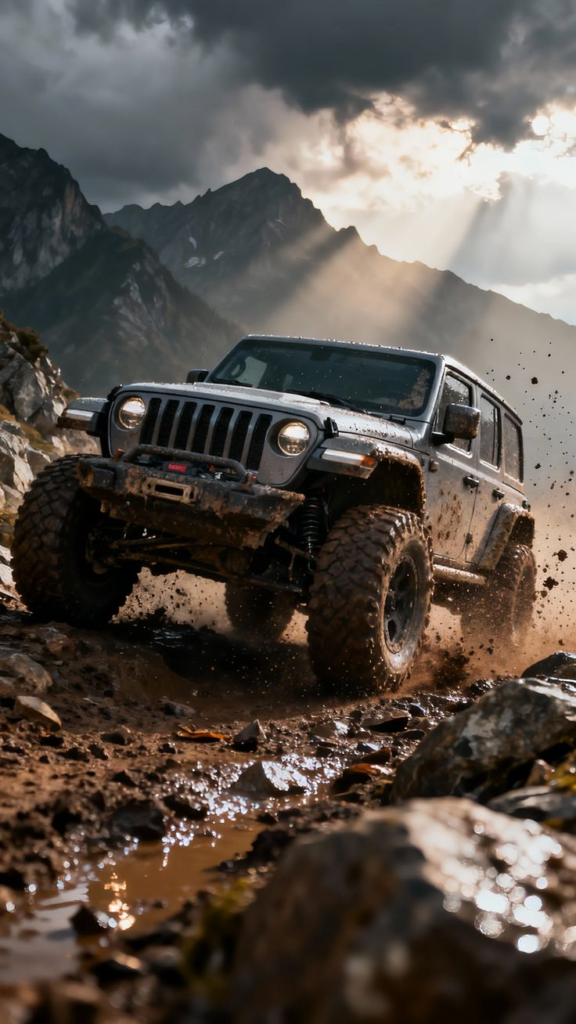
Pay special attention to the underbody and wheel areas.
A proper inspection is also useful if the SUV went through deep mud or water.
Cleaning is not just about making the SUV look good. It can help you spot leaks, damage and loose components.
10. Going Off-Road Without Recovery Equipment
Even experienced drivers can get stuck.
Rain can change a trail quickly, and another vehicle that passed through an area earlier may have left deep ruts.
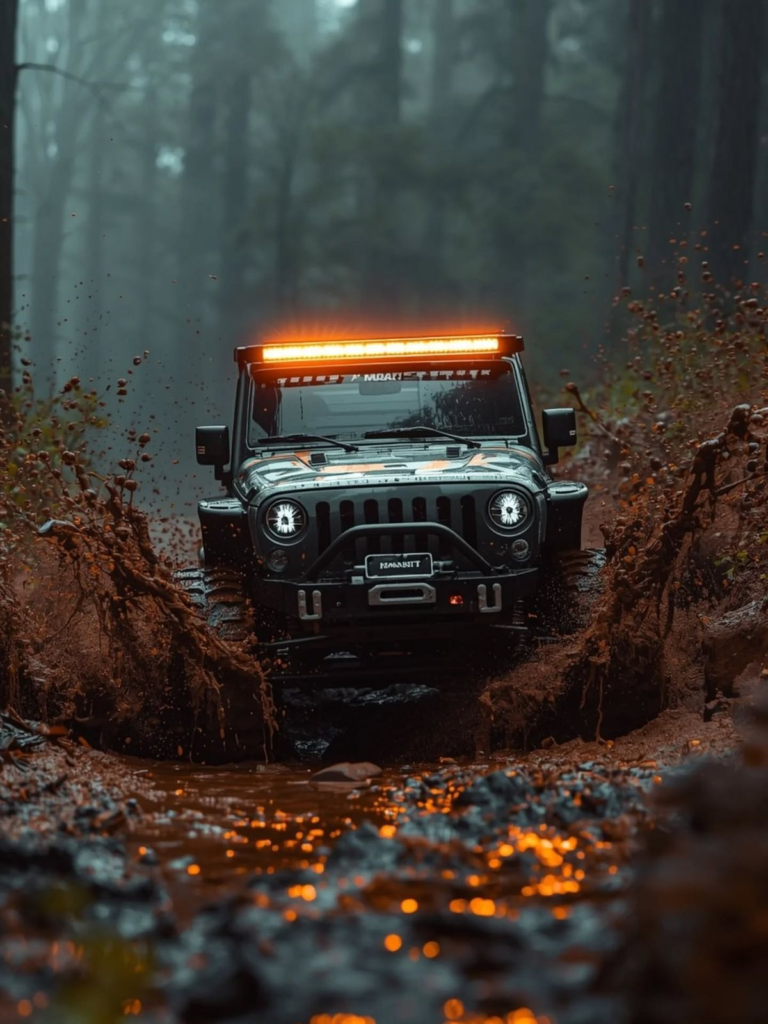
Before heading out, carry suitable recovery equipment for your vehicle and understand how to use it safely.
Depending on the trip, equipment may include:
- Suitable recovery straps
- Rated recovery points
- Tire inflator
- Puncture repair kit
- Portable air compressor
- Basic tools
- Torch
- First-aid kit
- Communication equipment
Recovery equipment is only useful if you know how to use it correctly.
Never attach recovery equipment to an unsuitable point on the vehicle.
What Should You Check Before a Monsoon Off-Road Trip?
Before leaving, spend a few minutes checking your SUV.
Tyres
Check pressure, tread, and visible damage.
Battery
Make sure the battery and terminals are in good condition.
Fluids
Check engine oil, coolant, brake fluid, and other required fluids.
Brakes
Make sure the brakes feel normal before entering the trail.
Suspension
Look for unusual noises, leaks, or worn components.
Lights
Check headlights, brake lights, and indicators.
Recovery Gear
Carry the equipment suitable for your vehicle and route.
Underbody
If your SUV regularly goes off-road, consider suitable protection for vulnerable components.
Should You Modify Your SUV for Monsoon Off-Roading?
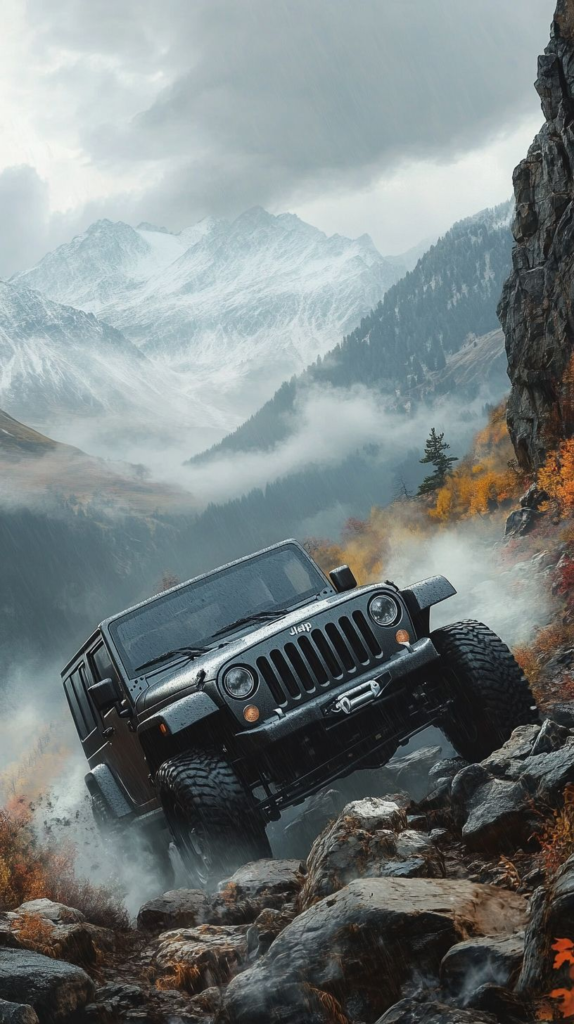
It depends on where and how you drive.
A person who occasionally drives on a light dirt trail does not necessarily need the same modifications as someone regularly tackling difficult terrain.
Depending on the SUV and intended use, owners may consider modifications such as
- All-terrain tires
- Suitable suspension upgrades
- Underbody protection
- Recovery points
- Better lighting
- Snorkel systems where appropriate
- Off-road accessories
But modifications should be selected carefully.
More modifications do not automatically mean a better off-road vehicle.
The right setup depends on the vehicle, terrain, driving style, and intended use.
How Big Toy Automotive Can Help With Your SUV
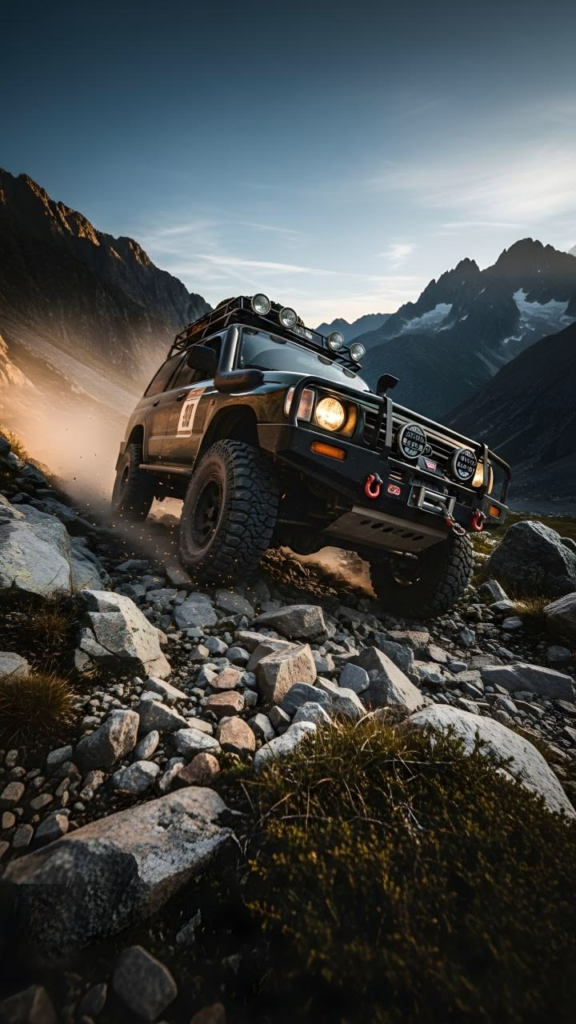
At Big Toy Automotive, we understand that SUV owners have different requirements.
Some vehicles are used for daily Delhi traffic and occasional weekend adventures. Others are built specifically for off-road use.
Our team can help with SUV servicing, modifications, maintenance, denting and painting, and other automotive requirements.
If your SUV has returned from a difficult monsoon trail, it is worth getting it checked if you noticed unusual sounds, steering changes, brake problems, leaks, or underbody impacts.
A small problem found early is usually easier to deal with than a major failure later.
Final Thoughts
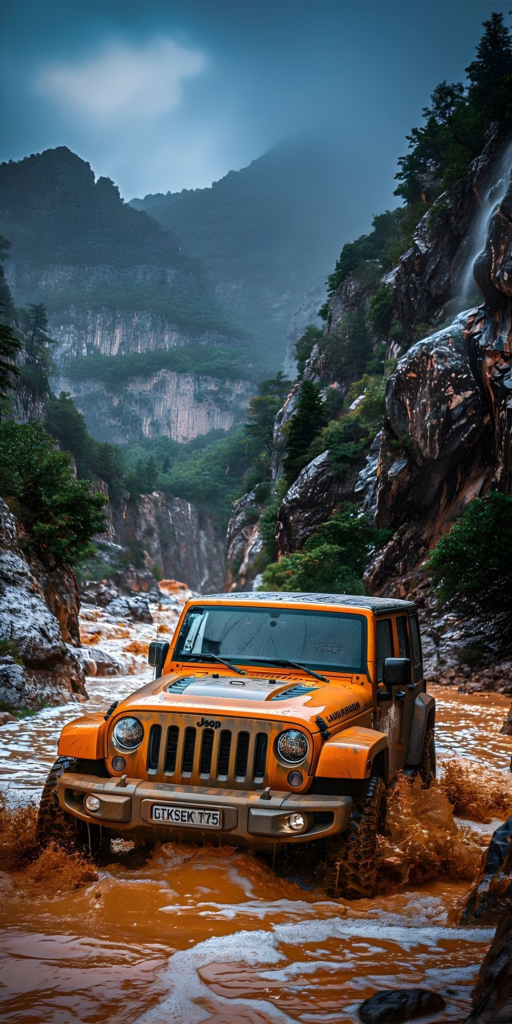
Monsoon is one of the most exciting times for off-road driving, but wet terrain demands more preparation.
The biggest mistakes are often simple ones:
- Entering unknown water
- Driving too fast through mud
- Ignoring tyre pressure
- Excessive wheelspin
- Forgetting underbody protection
- Using drive modes incorrectly
- Overusing the clutch
- Ignoring the brakes
- Not cleaning the vehicle
- Going without recovery equipment
Your SUV may be built for tough conditions, but it still needs the right preparation and sensible driving.
Before your next rainy-season adventure, check the vehicle, understand the trail and know your SUV’s limits.
Planning an SUV modification or need a post-off-road inspection? Contact Big Toy Automotive for professional SUV service, maintenance and modification support in Delhi.
Frequently Asked Questions
1. Is monsoon a good time for off-roading?
Rain can make off-roading more challenging and enjoyable, but it also increases risks such as mud, slippery surfaces, hidden obstacles and water crossings. Always check the trail and weather conditions before driving.
2. Can water damage an SUV during off-roading?
Yes. Deep or fast-moving water can damage or affect the engine, air intake, electrical components, drivetrain and other parts. Never enter a water crossing without properly assessing it.
3. Should I reduce tyre pressure for mud?
The appropriate pressure depends on the tyre, SUV, load and terrain. Some off-road situations may benefit from pressure adjustment, but you should follow the tyre and vehicle manufacturer’s guidance and restore suitable road pressure before normal driving.
4. What should I carry for monsoon off-roading?
A suitable recovery setup, tyre inflator, puncture repair equipment, basic tools, first-aid supplies, torch and communication equipment are useful. The exact equipment should match your vehicle and the type of trail.
5. Should I service my SUV after off-roading?
If the SUV has been through deep mud, water crossings or rough terrain, an inspection is a good idea, especially if you notice leaks, unusual sounds, brake issues, steering changes or underbody impacts.