
The Indian monsoon can be a relief after months of heat, but it can be tough on your car. Heavy rain, muddy roads, waterlogging, dust, bird droppings, and traffic pollution can slowly damage the paint if you do not take proper care of it.
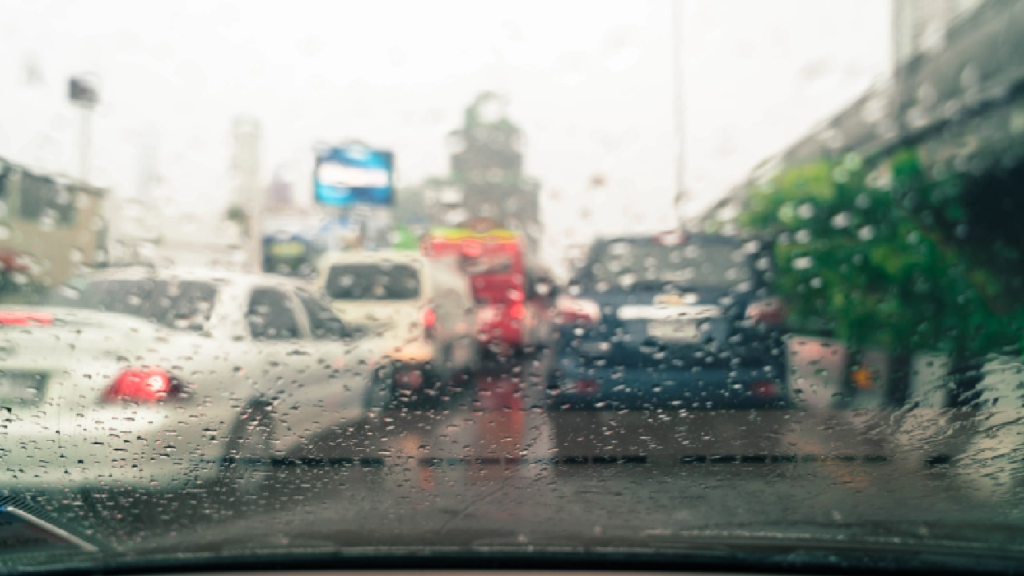
Many car owners think that rainwater simply washes the car. In reality, rain can leave behind dirt and contaminants that affect the paint surface. If your car stays dirty for days, the paint may start looking dull and develop water spots.
The good news is that you do not need to spend a lot of money to protect your car during the rainy season. A few regular habits, combined with the right paint protection, can keep your car looking clean and glossy.
Why Is Monsoon Hard on Car Paint?
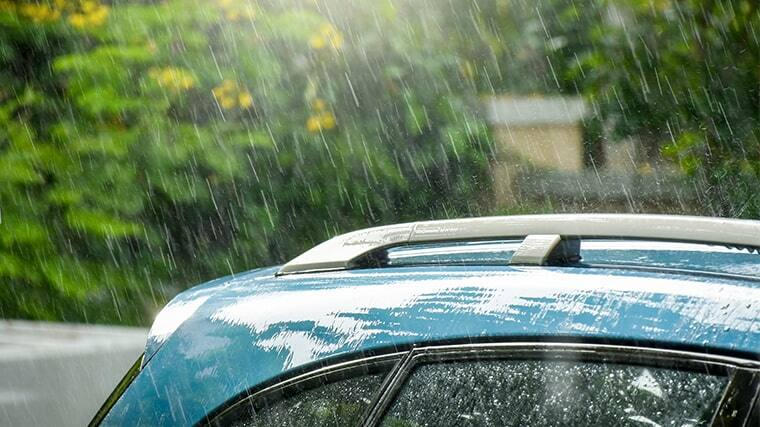
During the rainy season, your car faces several problems at the same time.
Rainwater mixes with dust, mud, oil, and pollution on the road. When this dirty water splashes onto your car, it can stick to the paint. If it dries naturally, it may leave stains and water spots.
Bird droppings are another common problem. They can become harder to remove when they stay on a wet or hot surface for too long.
Water can also collect around the doors, bonnet, boot, and other areas. If the car is not cleaned properly, dirt and moisture can remain trapped in small gaps.
For example, imagine parking your car outside during a rainy week. You may notice brown mud around the lower doors and small white spots on the bonnet. Ignoring them for several days can make cleaning more difficult.
1. Wash Your Car Regularly
Regular washing is one of the simplest ways to protect car paint during the monsoon.
You do not have to wash your car every day. However, if it has been driven through muddy or flooded roads, clean it as soon as practical.
Use a proper car shampoo and a soft microfiber cloth or wash mitt. Avoid using household detergents or dishwashing liquids. They may remove protective layers from the paint and can make the surface look dry over time.
Pay special attention to the lower doors, wheel arches, bumpers and areas behind the wheels because these collect the most mud.
2. Never Rub Dry Mud on the Paint
This is a common mistake.

After driving through muddy roads, you may see a layer of dried dirt on the car and immediately wipe it with a cloth. The problem is that the dirt can contain tiny particles that act like sandpaper.
Instead, rinse the surface with clean water first. Let the mud soften and wash away. Then use car shampoo and a microfiber wash mitt.
This small change in your cleaning routine can reduce unnecessary scratches and swirl marks.
3. Dry Your Car Properly After Washing
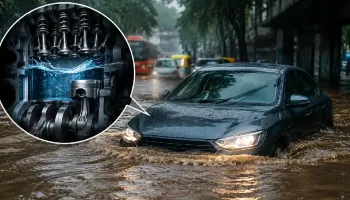
Leaving a wet car outside may seem harmless, but it can lead to water spots, especially when rainwater or hard water dries on the paint.
After washing, use a clean microfiber drying towel. Gently dry the body panels instead of rubbing them aggressively.
Do not use an old T-shirt, rough cloth, or dirty towel. These materials can hold dust and create fine scratches.
Also check areas such as side mirrors, door handles, and the edges of doors. Water often remains trapped there and comes out later while driving.
4. Apply Wax or Paint Sealant
A layer of wax or paint sealant can provide an additional protective barrier between the paint and everyday contaminants.
Wax can help water form droplets and roll away more easily. It can also make the car easier to clean.
For car owners who want a more durable solution, a paint sealant can offer longer-lasting protection than traditional wax.
The important thing is to apply any product to a clean and properly prepared surface. Applying protection over a dirty or contaminated surface will not give the best result.
5. Consider Ceramic Coating for Long-Term Protection
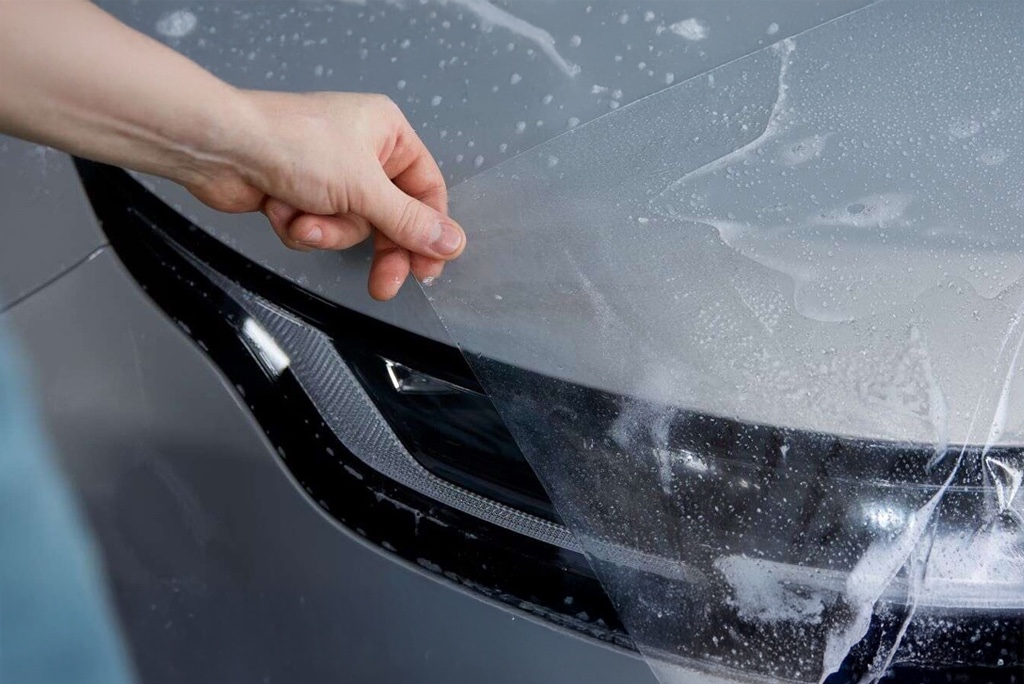
If you want more than basic monsoon protection, ceramic coating is another option.
A professional ceramic coating creates a protective layer over the paint. It can improve water repellency and make it harder for dirt and some contaminants to stick to the surface.
However, ceramic coating is not a magic shield. It does not mean you can stop washing your car. Regular cleaning is still necessary.
Before getting a ceramic coating, make sure the paint is properly cleaned and prepared. If your car already has scratches, swirl marks or oxidation, paint correction may be recommended before coating.
6. Do Not Ignore Bird Droppings and Tree Sap
If you park your car under trees, you may deal with bird droppings and tree sap regularly during the monsoon.
Do not leave them on the paint for a long time. They can become difficult to remove and may affect the clear coat.
Place a wet microfiber cloth over the affected area for a few minutes to soften the contamination. Then gently wipe it away. Avoid scraping it with your nails or a hard object.
7. Avoid Parking Under Waterlogged Areas
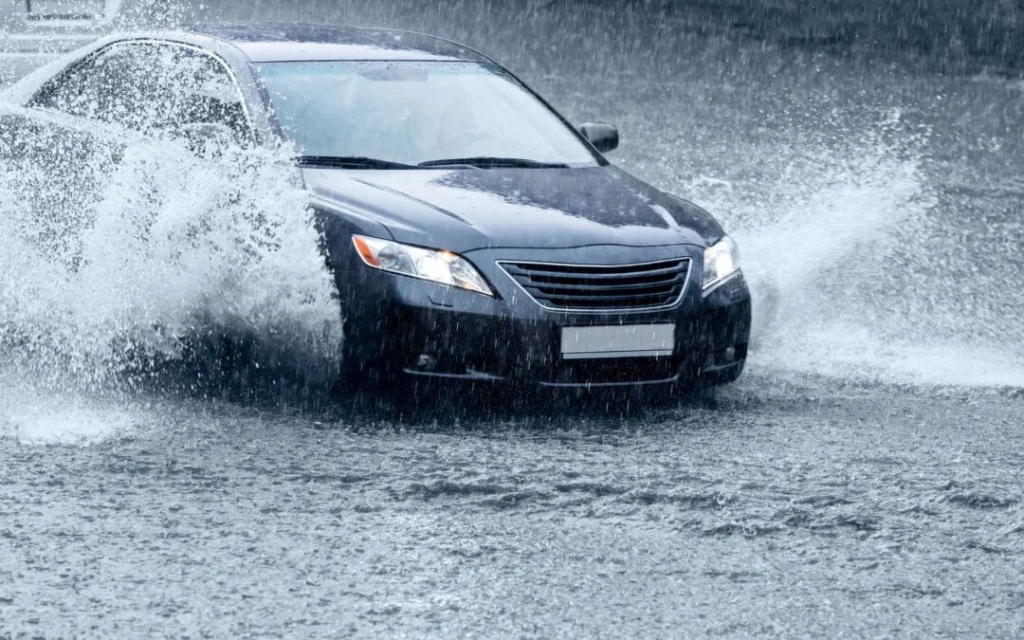
Paint protection is not only about cleaning and coating.
Try to avoid waterlogged roads and parking areas whenever possible. Dirty standing water can splash mud and contaminants onto the car. In deeper water, there can also be a risk of damage to electrical and mechanical components.
If you have to drive through heavy rain, drive slowly and avoid unnecessary splashing.
8. Keep Your Car Covered When Possible
If your car is parked outdoors for long periods, a good-quality breathable car cover can provide extra protection from rain, dust, and bird droppings.
But never put a cover over a dirty or wet car. Dirt trapped between the cover and paint can cause scratches when the cover moves.
If possible, park in a covered area and use the cover only when the car is clean and dry.
A Simple Monsoon Car Paint Routine
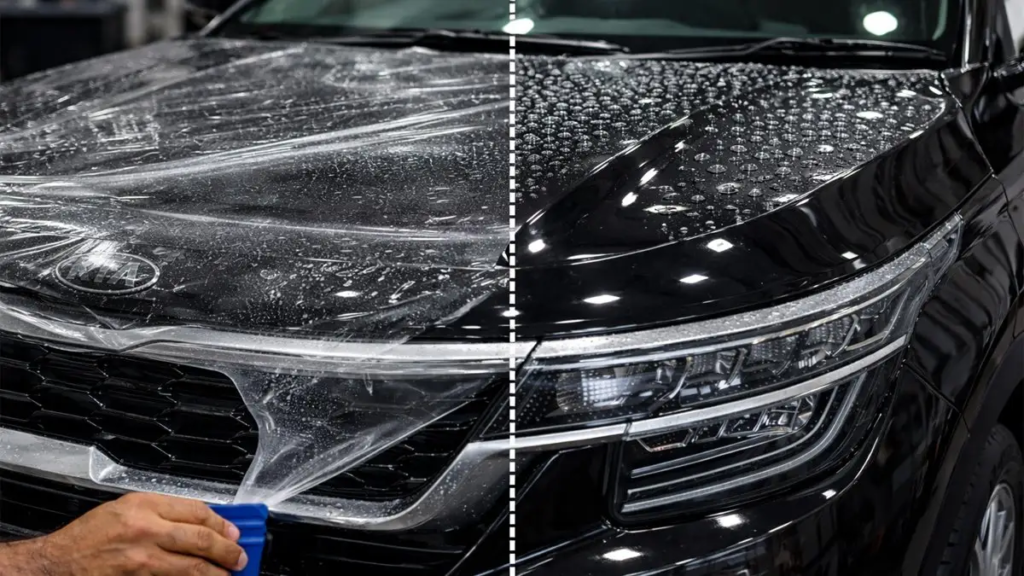
You do not need a complicated routine.
After driving through heavy rain or muddy roads, rinse the car. Wash it with proper car shampoo when needed. Dry it with a clean microfiber towel. Remove bird droppings quickly. Apply wax or a paint sealant regularly if suitable for your car.
If you want long-term protection, professional ceramic coating can be considered.
For car owners in Delhi NCR, where rainwater, road dust, and traffic pollution often come together, consistent maintenance can make a noticeable difference. At Big Toy Automotive, professional car care can also help identify paint problems before they become expensive repairs.
Final Thoughts
Monsoon car care is mostly about consistency. You do not have to wait until the paint becomes dull or develops visible marks.
Clean your car regularly, remove contaminants quickly, use the right cleaning products, and consider an additional layer of protection such as wax, sealant, or ceramic coating.
A little care during the rainy season can help your car maintain its shine and protect the paint for the long term.
1. Does rain damage car paint?
Rain itself is not usually the only concern. Rainwater can pick up dust, pollution, and other contaminants, which may leave water spots or stains when it dries on the paint.
2. How often should I wash my car during the monsoon?
There is no fixed schedule for every car. If you drive regularly through muddy or dirty roads, wash the car whenever significant dirt builds up. Avoid allowing mud and contaminants to remain on the paint for long periods.
3. Is ceramic coating useful during the monsoon?
Yes. Ceramic coating can provide an additional protective layer and improve water repellency. However, it does not replace regular washing and proper car maintenance.
4. Can I use dishwashing liquid to clean my car?
It is better to avoid it. Use a car-specific shampoo designed for automotive paint. Household cleaning products may not be suitable for maintaining the paint’s protective layers.
5. What should I do if my car develops water spots?
Clean the surface with a suitable car shampoo and microfiber towel first. If the spots remain, professional detailing or paint correction may be required, depending on how deeply they have affected the paint.