Introduction—Why Manual Gearboxes Still Matter Today
Many people think automatic cars have replaced manual cars.
But in real life, manual gearbox cars are still widely used in India.
Why?
They are cheaper, more fuel-efficient, and easier to repair.
As a mechanic, I’ve seen manual gearboxes last 2–3 lakh km when driven properly.
A driver who understands how a manual transmission works can:
- Avoid costly repairs
- Drive more smoothly
- Extend clutch and gearbox life
This guide will explain the manual gearbox, its types, working, real problems, and what drivers should know—in simple and honest language.
What Is a Manual Gearbox? (Simple Real-Life Explanation)
A manual gearbox lets the driver manually choose gears to control speed and power.
Real-Life Example
Imagine riding a bicycle:
- Lower gear helps you climb a slope easily
- Higher gear helps you ride faster on flat roads
A car gearbox works the same way.
It adjusts engine power so the car moves smoothly at different speeds.
That’s the simplest way to understand a car gearbox, explained.
How a Manual Transmission Works (Easy Step-by-Step)
Here is how clutch and gearbox working happens:
Step 1 – Engine Produces Power
The engine generates rotation.
Step 2—Clutch Controls Power Flow
Pressing the clutch disconnects engine power so you can shift gears safely.
Step 3 – Gear Selection
You move the gear lever to choose a gear depending on speed and load.
Step 4—Gearbox Adjusts Speed
Lower gears = more pulling power
Higher gears = better speed and mileage
Step 5 – Power Goes to Wheels
The output shaft sends power to the wheels to move the car.
This is the basic way a manual transmission works in real driving.
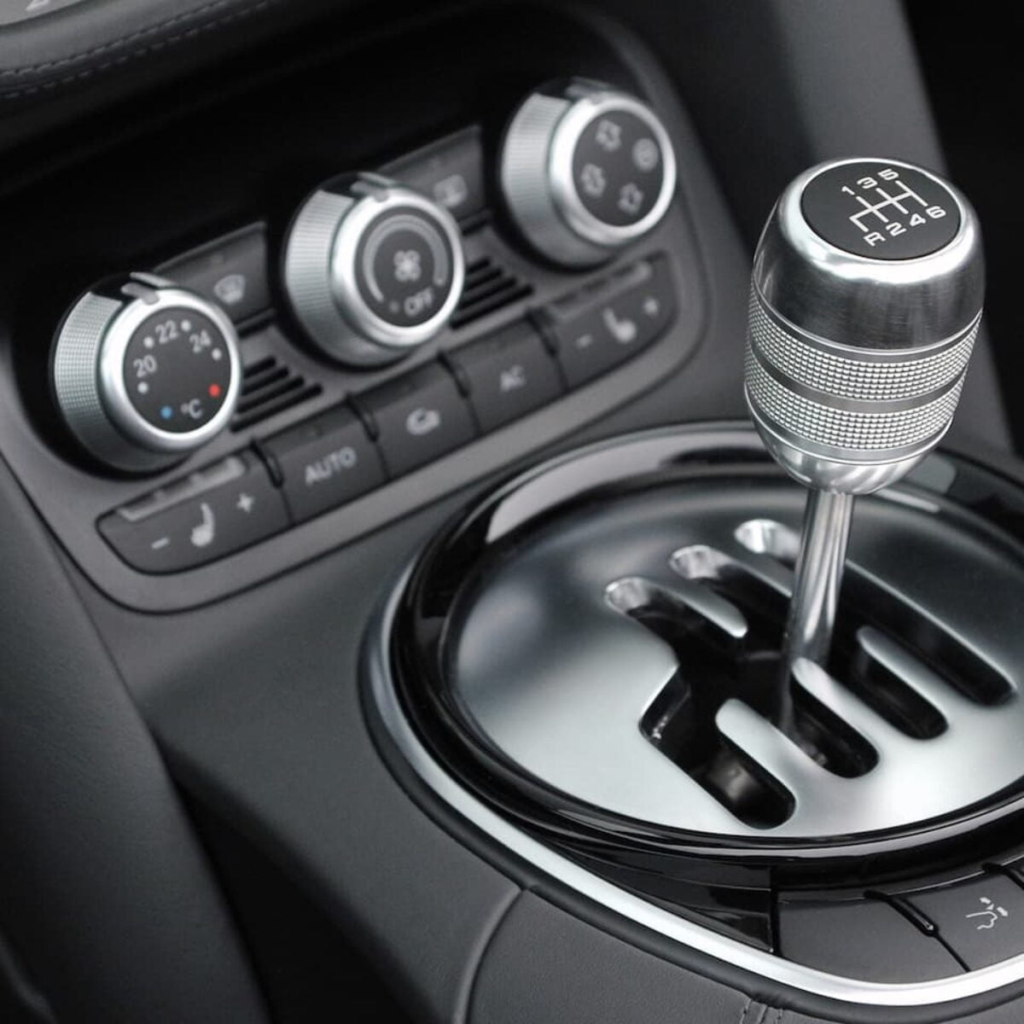
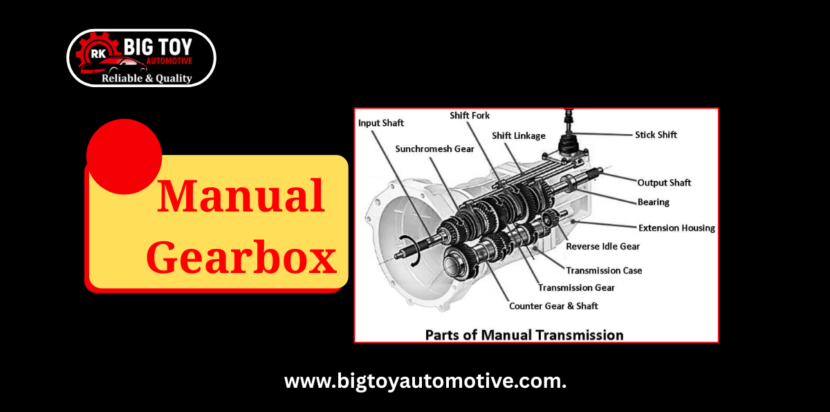
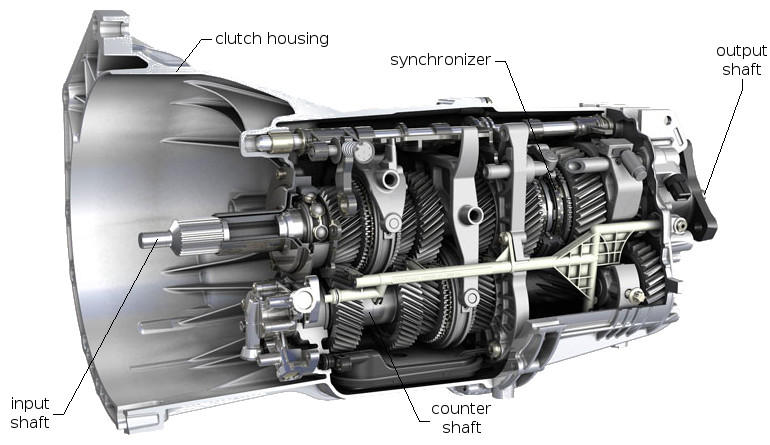
Main Parts of a Manual Transmission (Simple Meaning)
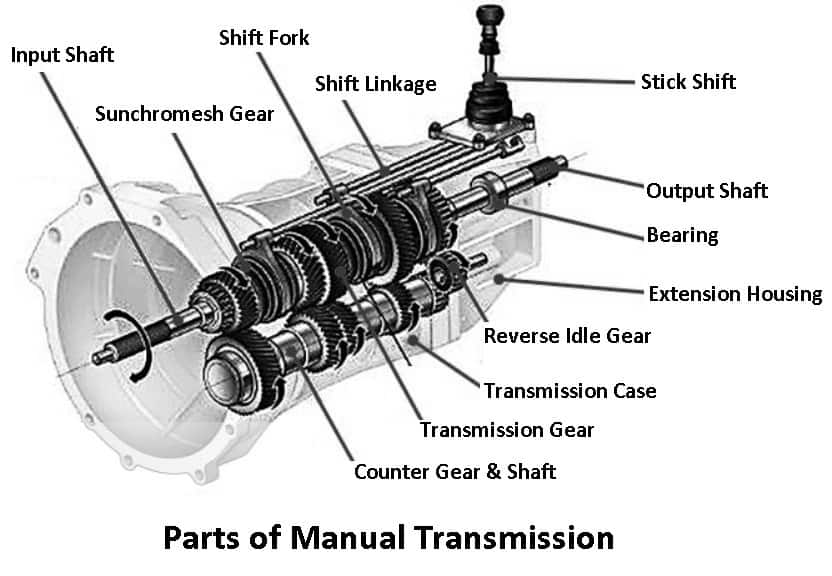
Clutch
Connects and disconnects engine power.
Flywheel
Smooths engine rotation.
Input Shaft
Brings power into the gearbox.
Output Shaft
Sends power to the wheels.
Gears
Control speed and torque.
Synchromesh
Matches gear speeds so shifting feels smooth.
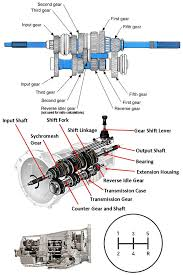
Gear Selector
Allows the driver to change gears manually.
All parts must work properly to avoid manual transmission problems.
Types of Manual Gearboxes (Complete Knowledge)
1. 4-Speed Gearbox
Found in older cars.
Basic and limited performance.
2. 5-Speed Gearbox
Most common in India.
Good for city and highway driving.
3. 6-Speed Gearbox
Better fuel efficiency at high speeds.
Smoother long-distance driving.
4. Synchromesh Gearbox
A modern system that allows smooth gear shifting.
Used in most passenger cars.
5. Dog-Leg Gearbox
Used in sports or performance cars.
First gear is placed differently for quick shifts.
6. Heavy-Duty Manual Gearbox
Used in SUVs, trucks, and commercial vehicles.
Built for heavy load and rough usage.
These are the major types of manual gearboxes used worldwide.
Common Manual Gearbox Problems (Real Workshop Issues)
1. Hard Gear Shifting
Cause: Low gearbox oil, clutch wear, synchro damage
Fix: Oil replacement or clutch repair
2. Gear Slipping
Cause: Worn gears or linkage
Fix: Internal gearbox rebuild
3. Grinding Noise
Cause: Bad synchromesh or incomplete clutch release
Fix: Replace the synchro or clutch
4. Clutch Drag
Cause: Clutch plate wear or hydraulic issue
Fix: Replace the clutch or bleed the system
5. Gearbox Oil Leakage
Cause: Worn seals
Fix: Replace seals and refill oil
6. Vibration While Driving
Cause: Damaged mounts or worn gears
Fix: Mount replacement or gearbox inspection
7. Burning Clutch Smell
Cause: Riding the clutch or aggressive driving
Fix: Change driving habits or replace the clutch
How to Maintain a Manual Gearbox (Expert Mechanic Tips)
- Change gearbox oil every 40,000–60,000 km
- Don’t ride the clutch
- Shift gears smoothly
- Avoid resting your hand on the gear lever
- Don’t launch aggressively
- Fix small gearbox issues early
Good maintenance can make a gearbox last over 3 lakh km.
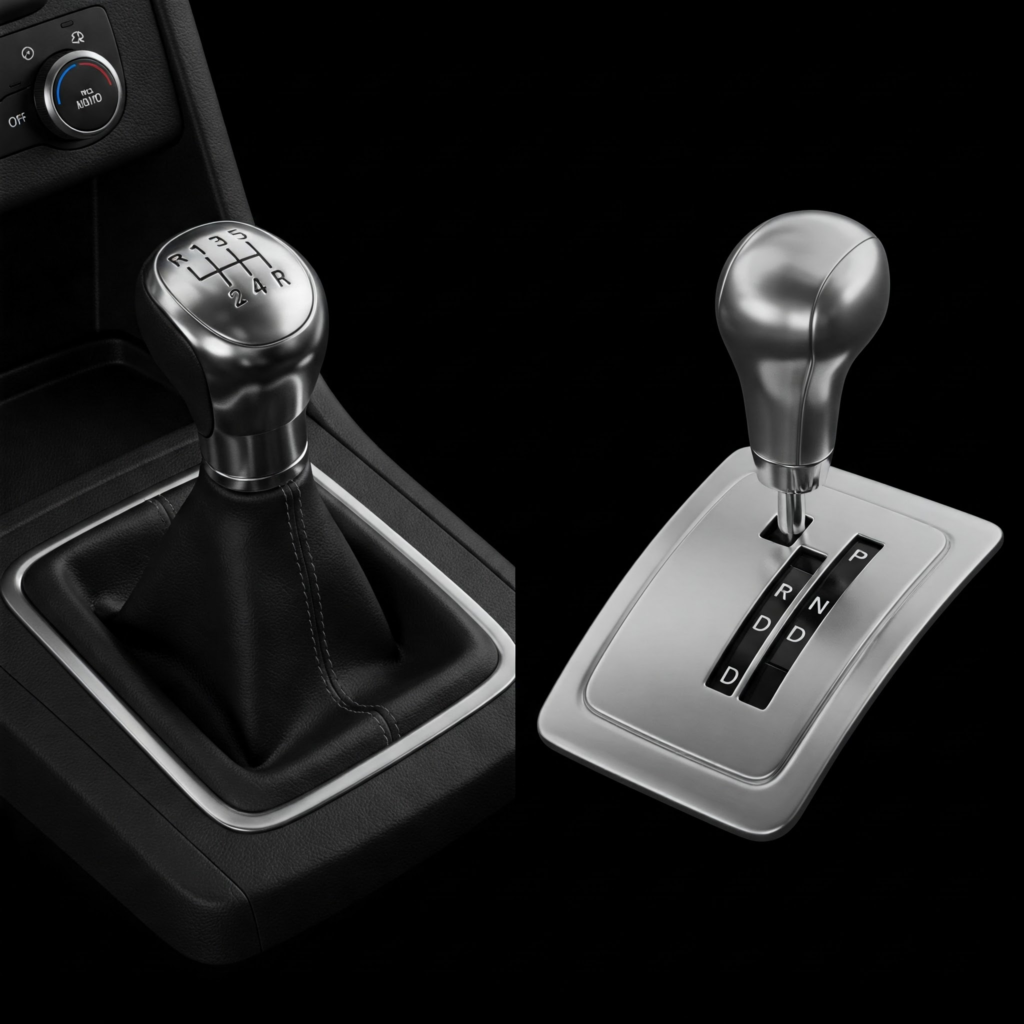
Manual vs Automatic Gearbox—Full Knowledge (With Types)
Types of Manual Transmission
- 4-Speed
- 5-Speed
- 6-Speed
- Synchromesh
- Dog-Leg
- Heavy-Duty Manual
Types of Automatic Transmission
- Torque Converter Automatic
- CVT (Continuously Variable Transmission)
- AMT (Automated Manual Transmission)
- DCT (Dual Clutch Transmission)
- Tiptronic/Manual Mode Automatic
Manual Gearbox – Pros
- Better mileage
- Cheaper maintenance
- More control
- Lower repair cost
- Long-term durability
Manual Gearbox—Cons
- Requires driving skill
- Heavy traffic can feel tiring
- Clutch wears over time
Automatic Gearbox – Pros
- Easier to drive in traffic
- Comfortable
- No clutch pedal
Automatic Gearbox – Cons
- Higher repair cost
- Complex system
- Lower mileage in some cases
Which Is Better in Real Life?
Manual is best for:
- Budget-conscious owners
- Driving lovers
- Long-term reliability seekers
Automatic is best for:
- City traffic users
- Comfort-focused drivers
How BigToyAutomotive Helps with Gearbox & Transmission Care
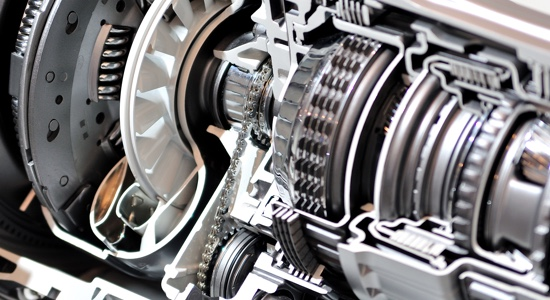
At BigToyAutomotive, experienced technicians inspect and repair:
- Manual gearbox issues
- Clutch replacement
- Synchromesh repair
- Gear-shifting problems
- Oil leaks
- Transmission diagnostics
Using professional tools and real automotive expertise, they ensure:
- Accurate gearbox diagnosis
- Reliable repair
- Long-term transmission performance
Early inspection can prevent costly gearbox replacements.
Conclusion – Short & Honest Expert Verdict
A manual gearbox is still one of the most reliable and affordable transmission systems.
If driven properly and maintained well, it can last many years without major repairs.
Understanding gearbox basics helps drivers:
- Save money
- Avoid breakdowns
- Drive more confidently
If you notice gear-shifting issues, noise, or clutch problems, have your car checked early by a trusted workshop like BigToyAutomotive before the damage worsens.