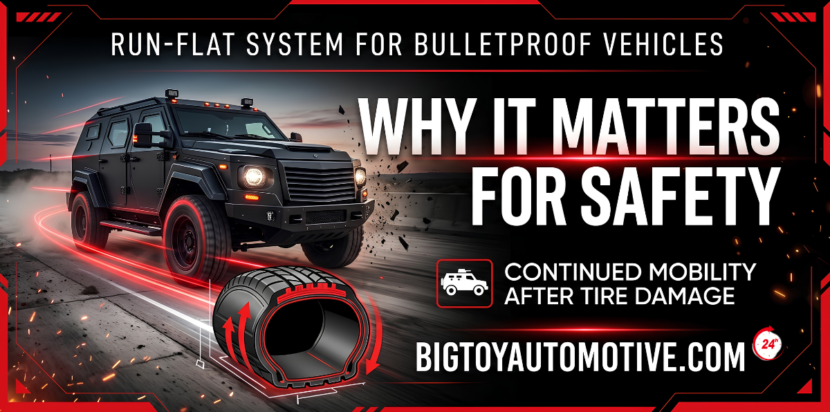
A bulletproof vehicle is built to provide protection when a normal car may not be enough. But there is one important problem that is often overlooked: what happens if the tires lose air during an emergency?
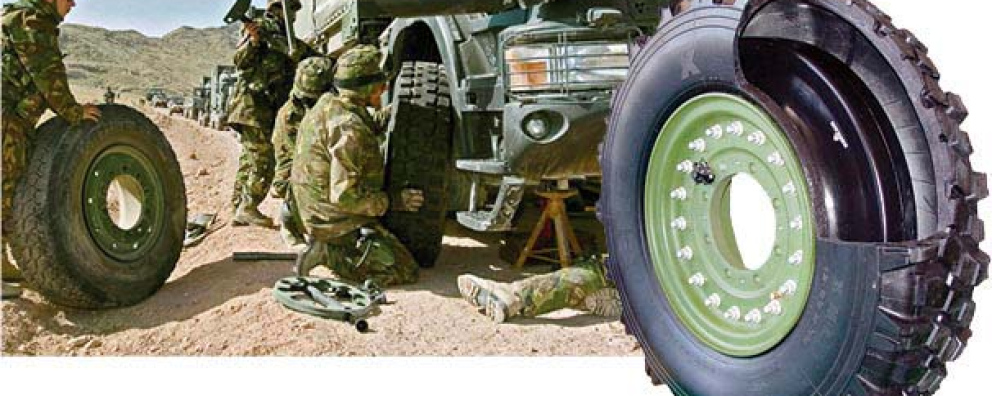
A flat tire can bring any vehicle to a stop. In a regular car, this may be inconvenient. In a bulletproof vehicle, it can become a serious safety concern, especially when the vehicle needs to keep moving.
This is where a run-flat system for bulletproof vehicles becomes important. It helps the vehicle continue moving for a limited distance even after a tire loses air.
What Is a Run-Flat System?
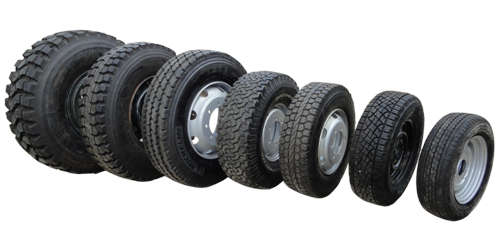
A run-flat system is a specially designed tire-support solution that allows a vehicle to keep moving after a tire is punctured or loses pressure.
Normally, when a tire becomes flat, the weight of the vehicle pushes the wheel down onto the damaged tire. Driving further can damage the wheel and make the vehicle difficult to control.
A run-flat system provides additional support between the tire and wheel. This support helps carry the vehicle’s weight even when the tire has lost air.
For a bulletproof vehicle, this can be especially useful because the vehicle is usually much heavier than a standard car.
Why Do Bulletproof Vehicles Need Run-Flat Systems?
Bulletproofing adds considerable weight to a vehicle. The doors, windows, body protection, and other safety components can make the vehicle significantly heavier than its original configuration.
Imagine a person travelling in a protected SUV when one tyre suddenly gets punctured on a busy road. Stopping immediately may not always be the safest option.
With a suitable run-flat system, the driver may be able to maintain control and move the vehicle to a safer location.
The main benefits include:
- Continued mobility after tire damage
- Better control during a tire-pressure loss
- Reduced risk of being stranded
- Additional safety during emergencies
- Better suitability for heavily protected vehicles
It does not make the vehicle impossible to stop. Instead, it provides valuable mobility when a normal tire may no longer be usable.
How Does a Run-Flat System Work?
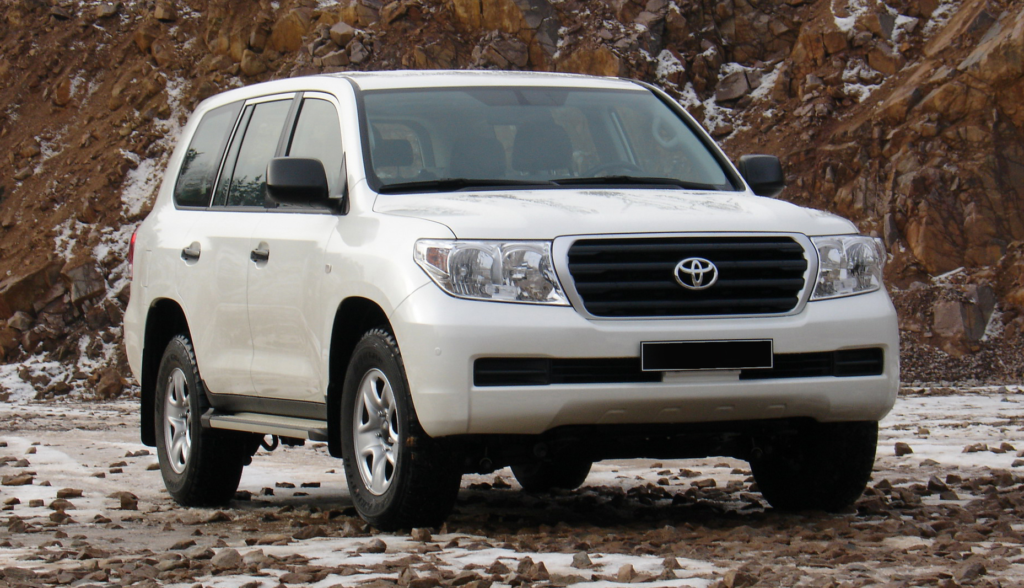
There are different types of run-flat solutions available for vehicles.
Some systems use reinforced tire sidewalls. Others use an internal support ring or similar structure fitted inside the tire.
In a heavy bulletproof vehicle, the correct system needs to match the vehicle’s weight, wheel size, tire specification, and intended use.
When air pressure is lost, the support system helps prevent the tire from completely collapsing. This allows the wheel to continue rotating while supporting the vehicle’s weight.
However, run-flat systems are not designed for unlimited driving. The vehicle should normally be taken to a safe place or tire service facility as soon as possible.
A Real-Life Situation Where It Can Help
Consider a bulletproof SUV travelling through Delhi traffic.
A sharp object causes a sudden tire puncture. In an ordinary vehicle, the driver might pull over immediately and call for roadside assistance.
But if the vehicle is being used for security purposes, stopping in an unknown or unsafe location may not be ideal.
A properly installed run-flat system can provide additional mobility. Instead of being completely dependent on the damaged tire, the driver may be able to move to a safer location.
This is one of the biggest reasons security-focused vehicle owners consider run-flat tires for armored vehicles.
Run-Flat System vs. Spare Tire
A spare tire is still useful, but changing a tire is not always practical in an emergency.
With a spare tire, the driver generally needs to:
- Stop the vehicle.
- Find a safe location.
- Take out the spare wheel and tools.
- Lift the vehicle.
- Remove the damaged wheel.
- Install the spare.
- Continue the journey.
This can take time and may expose the occupants to unnecessary risk.
A run-flat system works differently. It focuses on maintaining mobility immediately after tire damage.
For a bulletproof vehicle, this extra mobility can be more valuable than simply carrying a spare tire.
Important Things to Check Before Installation
Not every run-flat system is suitable for every armored vehicle.
Before installation, vehicle owners should consider:
1. Vehicle Weight
Bulletproof vehicles are heavier than standard vehicles. The run-flat system must be capable of supporting the actual operating weight of the vehicle.
2. Wheel and Tire Size
The system needs to be compatible with the vehicle’s existing wheel and tire specifications.
3. Professional Installation
Correct installation is extremely important. An incorrectly fitted system can affect handling, tire performance, and overall safety.
4. Tire Pressure
Even with a run-flat system, maintaining the correct tire pressure is important. Regular pressure checks should remain part of vehicle maintenance.
5. Vehicle Testing
After installation, the vehicle should be properly checked and tested. Steering, braking, wheel balance, and overall handling should be inspected.
Does a Run-Flat System Replace Regular Tire Maintenance?
No.
A run-flat system is an additional safety feature, not a replacement for regular maintenance.
Bulletproof vehicle owners should still inspect tires for cuts, uneven wear, cracks, and other damage. Tyre pressure should also be checked regularly.
Wheel alignment and balancing are equally important because a heavy protected vehicle puts more demand on its tires and suspension.
Ignoring basic tire maintenance can reduce the effectiveness of even a high-quality run-flat solution.
Choosing the Right Run Flat Solution
The best run-flat system for bulletproof vehicles depends on the vehicle and how it is used.
A luxury armored sedan used mainly for city travel may have different requirements from a heavily protected SUV used for long-distance travel.
This is why selecting a system only by price is not a good idea.
A professional armoring and automotive specialist can inspect the vehicle, understand its weight and usage, and recommend a compatible system.
At Big Toy Automotive, such safety-related upgrades should be approached with the complete vehicle setup in mind rather than treating the tire system as an isolated component.
Final Thoughts
A bulletproof vehicle is designed to provide protection, but protection is only useful when the vehicle can keep moving when necessary.
A tire puncture may appear like a small mechanical problem, but during a security situation, being stranded can create a much bigger concern.
A properly selected and professionally installed run-flat system for bulletproof vehicles can provide an important layer of mobility and peace of mind.
It should be combined with good tire maintenance, regular inspections, and professional servicing. For owners who depend on their armored vehicle for personal or security-related travel, keeping the vehicle mobile can be just as important as protecting its passengers.