Introduction
If you’re planning to buy a car in India in 2026, there’s a good chance you’re facing one big question:
Should I buy an electric vehicle or a hybrid car?
Fuel prices in India have been rising steadily, and many buyers are now looking for alternatives to traditional petrol and diesel cars. At the same time, electric vehicles are becoming more popular, while hybrid cars are gaining attention for their practicality.
But the confusion is real.
Many people searching for EV cars in India or hybrid cars in India often struggle to understand which technology actually suits their lifestyle. The debate around electric vs. hybrid cars has become one of the biggest topics for Indian car buyers today. So if you’re wondering EV vs Hybrid India 2026—which one is better—this guide will help you make a clear and practical decision.
What Is an Electric Car (EV)?
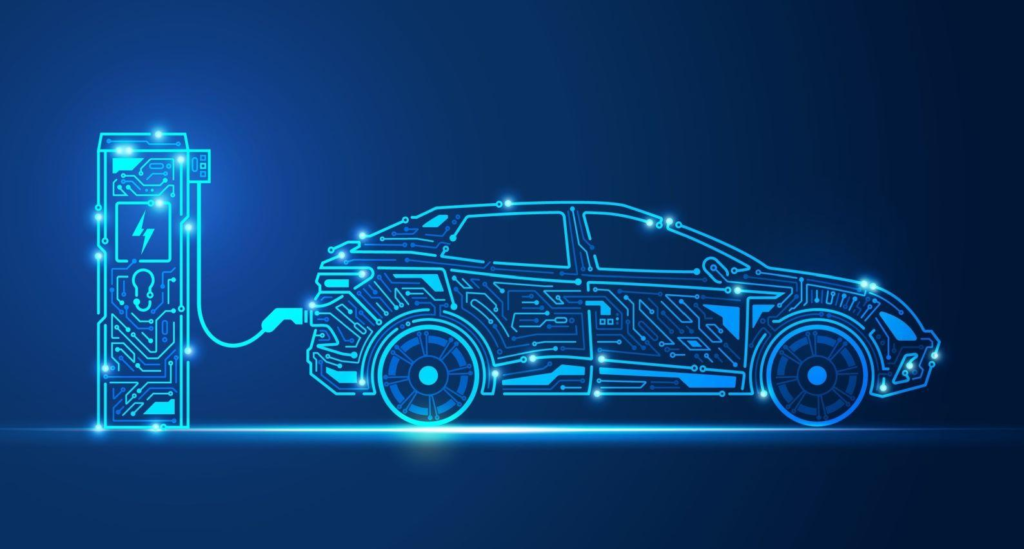
An electric vehicle (EV) is powered completely by electricity.
Instead of a petrol or diesel engine, an EV uses a large battery pack and an electric motor to drive the car. The battery stores electricity, which powers the motor and moves the vehicle.
There is no fuel tank, no exhaust, and no engine oil.
Key advantages of EVs
• Zero tailpipe emissions
• Much lower running cost compared to petrol or diesel cars
• Very smooth and silent driving experience
Electric cars are especially enjoyable in city traffic because the electric motor delivers instant torque, which means quicker acceleration at low speeds.
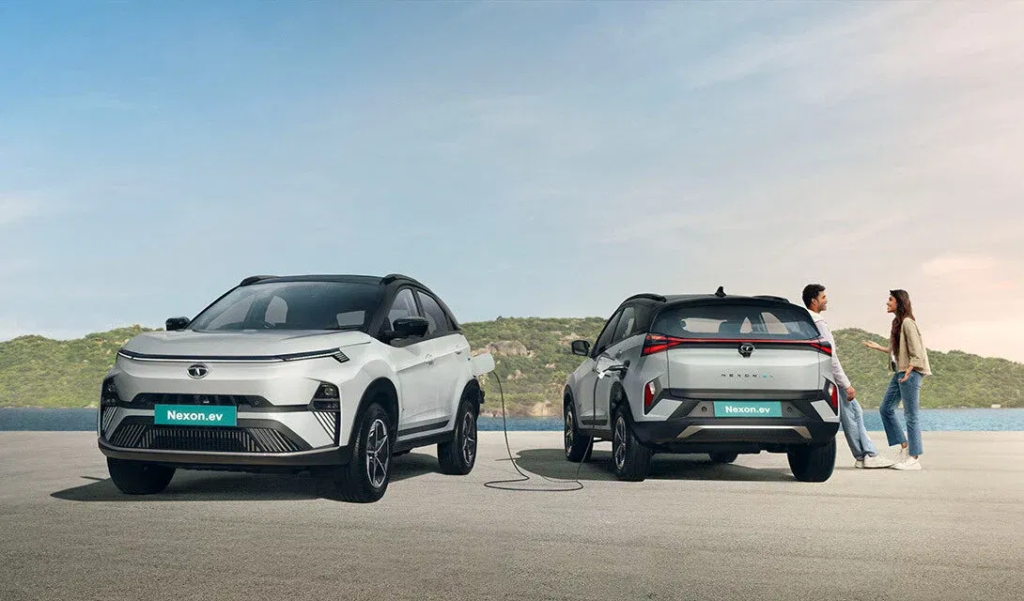
Popular EV cars in India
Some of the most well-known electric cars in India include:
- Tata Nexon EV
- MG ZS EV
Most modern EVs in India offer a real-world driving range between 300 and 450 km, depending on the model and driving conditions. However, EVs require charging through a home charger or public charging station, which is an important factor buyers must consider.
What Is a Hybrid Car?
A hybrid car combines a petrol engine and an electric motor.
Instead of running purely on electricity, the electric motor assists the petrol engine, helping the car use less fuel and improving overall efficiency.
The battery in most hybrid cars charges automatically while driving, using regenerative braking and the petrol engine itself.
So unlike EVs, most hybrids do not require external charging.
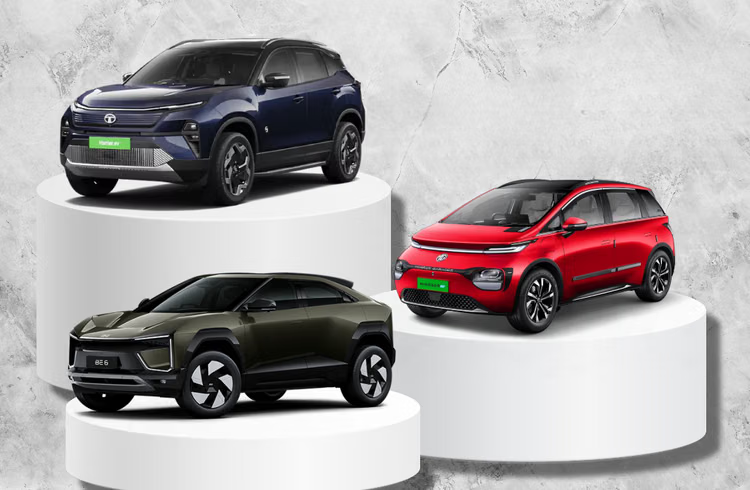
Types of hybrid technology
Strong Hybrid
The electric motor can power the car for short distances, especially in city traffic.
Mild Hybrid
The electric motor only assists the engine and improves fuel efficiency.
Popular hybrid cars in India
Some well-known hybrid vehicles include:
- Toyota Innova Hycross
- Toyota Camry Hybrid
Hybrid cars perform very well in stop-and-go traffic, where the electric motor helps reduce fuel consumption.
EV vs Hybrid Cars – Key Differences
Understanding the difference between electric and hybrid cars is easier when we break it down.
Fuel vs Electricity
EVs run entirely on electricity.
Hybrid cars still use petrol but improve efficiency with an electric motor.
Charging Requirements
EVs must be charged using charging stations or home chargers.
Hybrid cars do not require external charging.
Driving Range
EVs depend on battery range and charging access.
Hybrids offer a longer range because they use petrol fuel.
Maintenance
EVs have fewer moving parts, which generally means lower maintenance.
Hybrids still have an engine, so servicing is similar to petrol cars.
Environmental Impact
EVs produce zero tailpipe emissions.
Hybrids reduce emissions but are not completely emission-free.
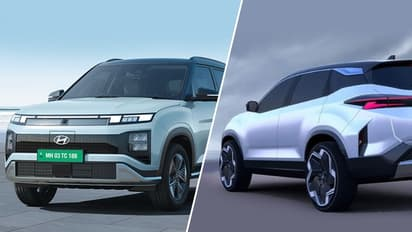
Driving Experience
EVs feel smoother and quieter.
Hybrids feel similar to traditional petrol cars but are more efficient. Both technologies are useful—the right choice depends on how and where you drive.
Running Cost Comparison
One of the biggest reasons people consider EVs is the lower running cost.
EV Running Cost
Electricity is significantly cheaper than petrol in India.
For example, charging an EV for 300–350 km may cost ₹300–₹500, depending on electricity rates.
Hybrid Running Cost
Hybrid cars improve fuel efficiency but still depend on petrol.
Many strong hybrids can deliver 20–25 km per liter, which is excellent for a large vehicle.
Battery Replacement
Battery replacement is a concern many buyers have.
Most EV manufacturers now offer 8-year battery warranties, making ownership safer.
Overall: • EVs are cheaper to run daily
• Hybrids offer flexibility without charging worries
Charging Infrastructure in India (2026)
Charging infrastructure in India is improving quickly.
Major cities such as Delhi, Mumbai, Bangalore, and Hyderabad now have growing networks of public charging stations.
Highway fast chargers are also expanding along major routes.
However, charging access is still limited in smaller towns and rural areas.
This is why buyers must consider the following:
• access to home charging
• availability of nearby charging stations
• long-distance travel needs
Charging infrastructure will continue improving, but it is still an important factor when choosing between EV and hybrid cars.
Which One Is Better for Indian Driving Conditions?
Both EVs and hybrids suit different types of drivers in India.
EV is best for:
• Daily city commuting
• Office travel within predictable routes
• People with home charging access
• Buyers who want lower running costs
Hybrid is best for:
• Frequent highway travel
• Long-distance driving
• Areas with limited charging infrastructure
• Buyers worried about range anxiety. In simple terms, EVs are ideal for city life, while hybrids are more flexible for mixed usage.
Popular EV and Hybrid Cars in India (2026)
Let’s look at some vehicles that are shaping the EV vs. hybrid India 2026 market.
Electric Vehicles
The Tata Nexon EV
It is one of India’s best-selling EVs with good range, practical size, and a strong service network.
The MG ZS EV is a premium electric SUV offering longer range, advanced features, and smooth performance.
Hybrid Cars
Toyota Innova Hycross:
A spacious family car known for excellent fuel efficiency despite its size.
Toyota Camry Hybrid:
A premium hybrid sedan offering smooth performance and impressive mileage. These cars show how both EV and hybrid technologies are growing rapidly in India.
Expert Advice for Indian Car Buyers
Choosing between EV and hybrid cars depends on your daily usage and location.
Choose an EV if:
• You mostly drive within the city.
• You have home charging access
• You want the lowest running cost
• Your daily driving is under 200–300 km
Choose a hybrid if:
• You travel long distances regularly.
• Charging stations are limited in your area.
• You want better fuel efficiency without worrying about charging
• You prefer traditional driving convenience. There is no universal answer — it depends on your driving habits.
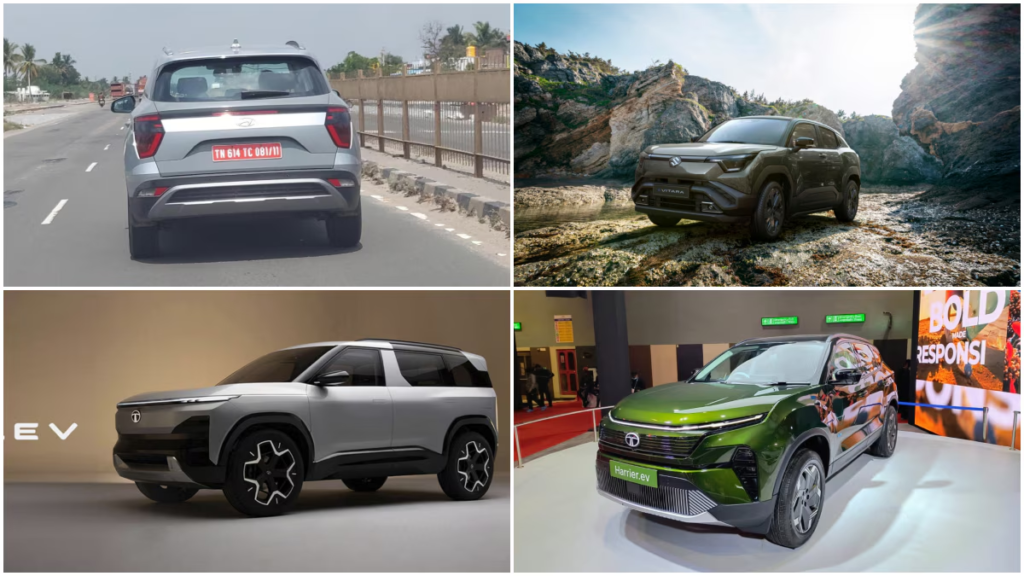
Final Thoughts
The debate around EV vs. hybrid cars in India in 2026 will continue as both technologies evolve.
Electric vehicles represent the future of mobility, offering zero emissions and extremely low running costs.
Hybrid cars, on the other hand, provide a practical bridge between petrol and electric technology, especially for people who travel long distances.
For many Indian buyers today:
• EVs are ideal for city commuting
• Hybrids provide flexibility for mixed driving conditions
Before buying, think about your daily distance, charging access, and travel habits. The right choice is the one that fits your real driving lifestyle.
FAQs
Are EV cars better than hybrid cars in India?
EVs are better for city driving and lower running costs, while hybrid cars are better for long-distance travel and areas with limited charging infrastructure.
Which is cheaper to run in India, EV or hybrid?
Electric vehicles are usually cheaper to run because electricity costs significantly less than petrol.
Do hybrid cars need charging?
Most hybrid cars in India do not require external charging. The battery charges automatically while driving.
What is the range of electric cars in India?
Most modern EVs in India offer 300–450 km real-world range, depending on the model and driving conditions.
Should I buy an EV in India in 2026?
If you mainly drive in the city and have access to home charging, buying an EV in 2026 can be a very practical and cost-effective choice.