Introduction
“Sir, agar main apni SUV bulletproof karvaun… kya uski performance same rahegi?”
This is the most common question I hear from clients—especially business owners and VIPs in Delhi NCR.
And the truth is simple:
Safety increases, but performance changes.
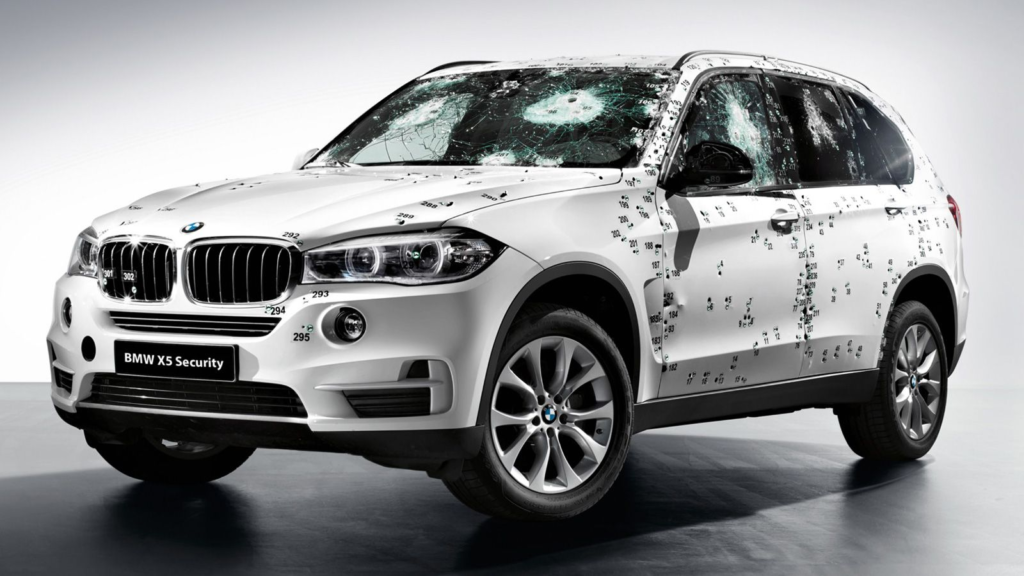
Bulletproof cars are not just “normal cars with protection.” They are heavily modified machines, where the bulletproof car’s weight plays a major role in how the vehicle drives. If you’re planning to invest in armored cars in India, understanding these performance trade-offs is not optional—it’s essential.
How Much Weight Does Bulletproofing Add?
Let’s break it down with real-world numbers.
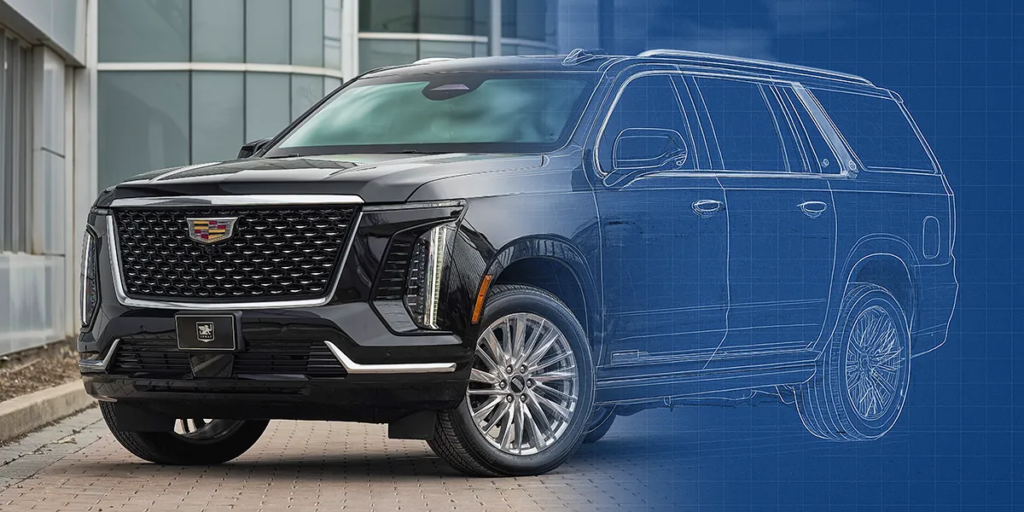
Depending on the protection level, the armored vehicle’s weight increases significantly:
- BR4 Protection: +200 to 400 kg
- BR6 Protection: +500 to 800 kg
- BR7 Protection: +800 kg to 1,200+ kg
Why Does the Weight Increase?
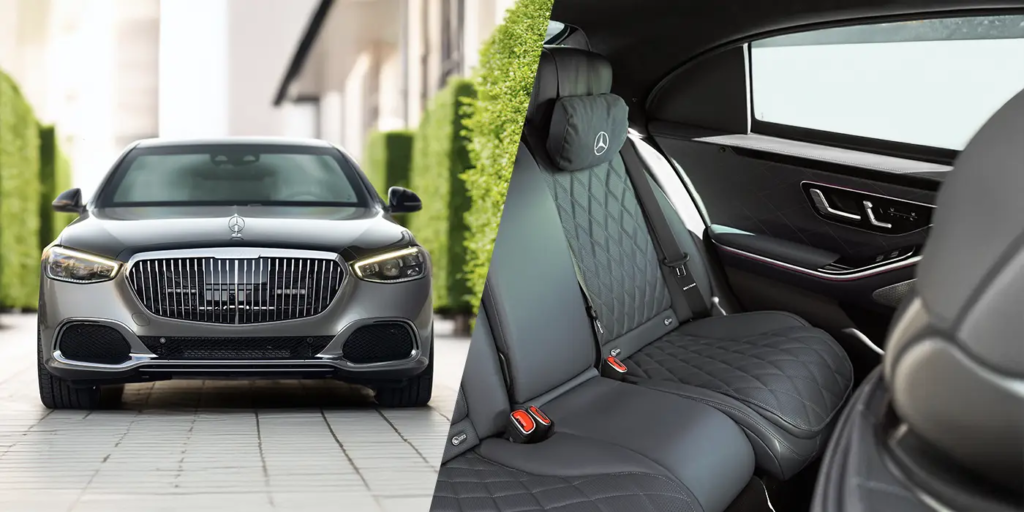
Because bulletproofing is not just adding one layer—it’s a complete reinforcement:
- Ballistic steel plates inside doors and the body
- Multi-layer thick bullet-resistant glass
- Reinforced roof, floor, and pillars
- Run-flat tyres and additional safety components
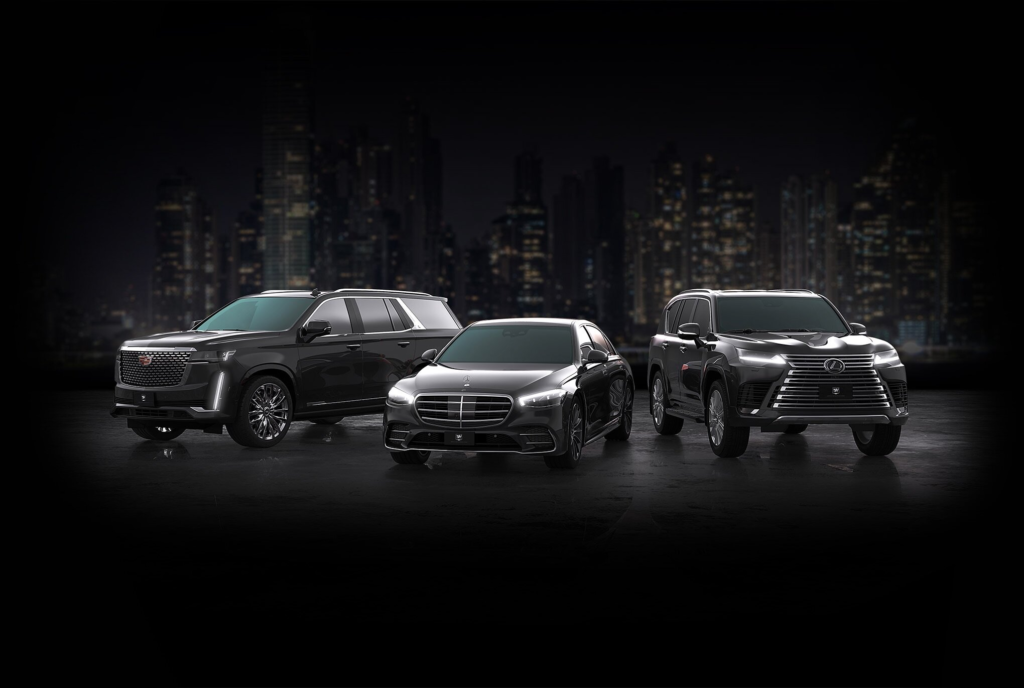
This is why vehicles like the Toyota Land Cruiser and Mercedes-Benz G-Class are preferred—they are built to handle heavy loads without structural stress.
Real Impact on Speed and Acceleration
This is where most clients notice the difference immediately.
What Changes?

- Slower initial pickup
- Reduced acceleration in city driving
- Slight drop in top speed
Real Example (Delhi Traffic)
In bumper-to-bumper traffic:
- A normal SUV responds instantly
- An armored SUV feels slightly delayed
Why?
Because the engine is now pulling an extra 500–1000 kg.
Important Insight
If the base vehicle has a powerful engine (like a V6 or V8), the performance drop is controlled—but it will never feel as light as before.
Mileage Impact: The Hidden Cost
Let’s be practical—fuel cost matters.
After armoring:
- Mileage drops by 10% to 30%
- In heavy traffic, the drop can go even higher
Why Fuel Consumption Increases
- Extra weight = more engine load
- Frequent braking + acceleration = more fuel burn
- Larger engines compensate but consume more fuel
Real Scenario
- Normal SUV: 10–12 km/l
- Armored SUV: 7–9 km/l (city conditions)
If you drive daily in Delhi, this difference adds up quickly.
Braking Performance: Most Critical Factor
This is not just about performance—it’s about life-saving response time.
What Happens After Armoring?
- Braking distance increases
- Brake components wear faster
- Emergency stopping becomes harder
Why This Matters
In an emergency, even a few extra meters can make a huge difference.
Required Upgrades
A properly armored car must include the following:
- High-performance brake kits
- Reinforced discs and pads
- Heat-resistant braking systems
Without this, the car becomes dangerous under sudden braking.
Suspension & Handling: Stability Under Pressure
Extra weight directly affects how the car sits and moves.
Common Issues (Without Upgrades)
- The car feels heavy and unstable
- Body roll during turns
- Suspension sagging over time
Professional Fix
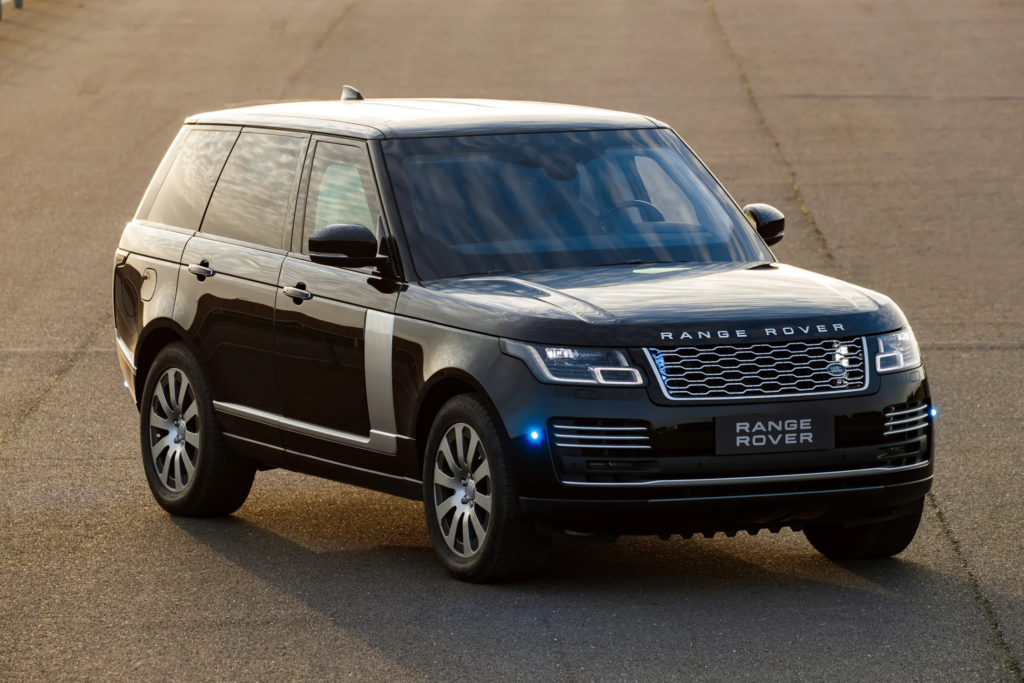
- Heavy-duty suspension systems
- Reinforced springs and dampers
- Load-balanced chassis tuning
A well-armored car should feel solid and planted, not unstable.
Can Bulletproof Cars Still Perform Well?
Yes—but only with correct engineering.
A properly built armored vehicle includes:
- Engine tuning for load handling
- Suspension upgrades for stability
- Brake upgrades for safety
Poor Armoring = Big Problem
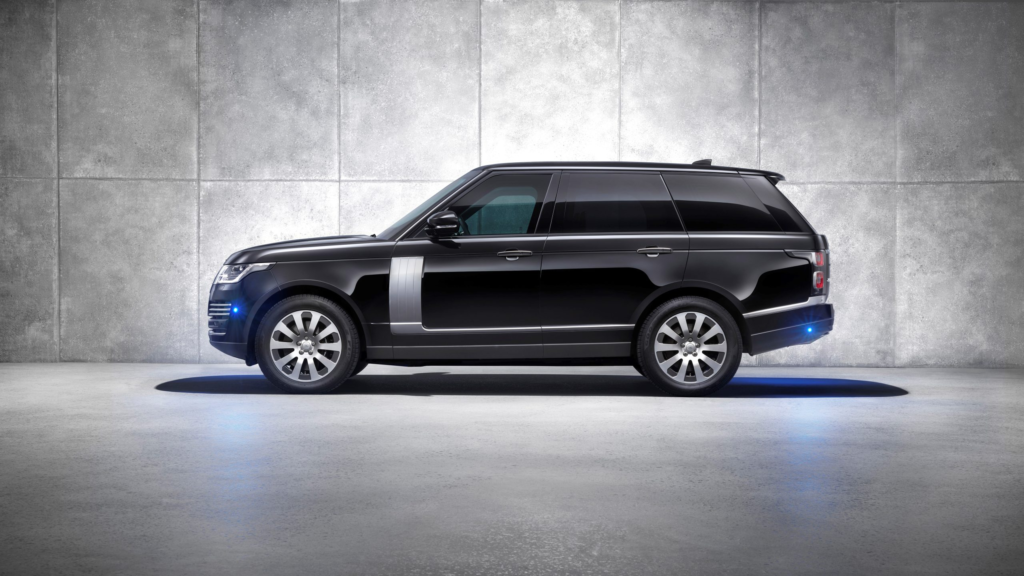
If someone only adds armor without performance upgrades:
- The car becomes sluggish
- Handling becomes risky
- Safety actually decreases
This is why bulletproof car performance depends more on engineering than armor itself.
Why SUVs Are the Best Choice for Bulletproofing
Not every car is suitable for armoring.
SUVs are preferred because they offer the following:
- Strong ladder-frame or reinforced chassis
- Higher weight-bearing capacity
- Better balance and road presence
Best Options in India
- Toyota Land Cruiser 300
- Mercedes-Benz G-Class
Sedans can be armored—but they require more modification and compromise.
Expert Insight from Big Toy Automotive
When it comes to bulletproofing, experience matters more than materials.
At Big Toy Automotive, the approach is not just adding armor but creating a balanced machine.
What Makes the Difference?
- Performance-focused armoring
- Suspension, brake, and tyre upgrades
- Expertise with BMW, Audi, and Mercedes vehicles
The goal is clear:
Maximum protection without sacrificing real-world drivability.
Final Thoughts
Bulletproof cars are heavier, stronger, and safer—but they are also mechanically different from standard vehicles.
Key Takeaways
- Bulletproof car weight can increase up to 1,200 kg
- Speed and acceleration reduce slightly
- Mileage drops noticeably
- Braking and suspension upgrades are essential
- SUVs are the best platform for armoring
- Professional engineering is non-negotiable
If done right, you get a car that is:
Safe, stable, and still powerful when it matters most.
FAQs
1. How much heavier is a bulletproof car than a normal car?
A bulletproof car can weigh from 200 kg to over 1,200 kg, depending on the protection level (BR4 to BR7).
2. Does bulletproofing reduce car speed?
Yes, acceleration becomes slower, and top speed may reduce slightly due to added weight.
3. Do armored cars consume more fuel?
Yes, fuel consumption increases by 10% to 30%, especially in city driving conditions.
4. Can a sedan handle bulletproofing weight?
It can, but it’s not ideal. SUVs handle extra weight much better due to their stronger structure.
5. Which cars are best for bulletproofing in India?
SUVs like the Toyota Land Cruiser 300 and the Mercedes-Benz G-Class are among the best choices.