Introduction
In India, the demand for bulletproof and armored cars is growing in 2026.
Earlier, these cars were used only by politicians or VIPs.
Today, business owners, professionals, and families with safety concerns are also looking at armored vehicles.
But many people still ask one big question:
What does a bulletproof car really protect you from? And where are its limits? This blog explains the truth in simple English, without hype or fear.
What Is a Bulletproof or Armored Car?
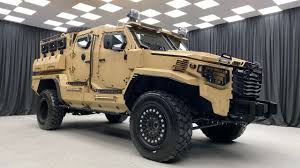
A bulletproof or armored car is a normal vehicle that is made stronger for safety.
Extra protection is added to:
- Doors and body panels
- Windows (special bullet-resistant glass)
- Floor area
- Tyres
- Fuel tank
These changes help protect people inside the car during an attack.👉 Important to understand:
Bulletproof does not mean “no damage.” It means “better protection.”
Bulletproof Car vs Armored Vehicle—Is There a Difference?
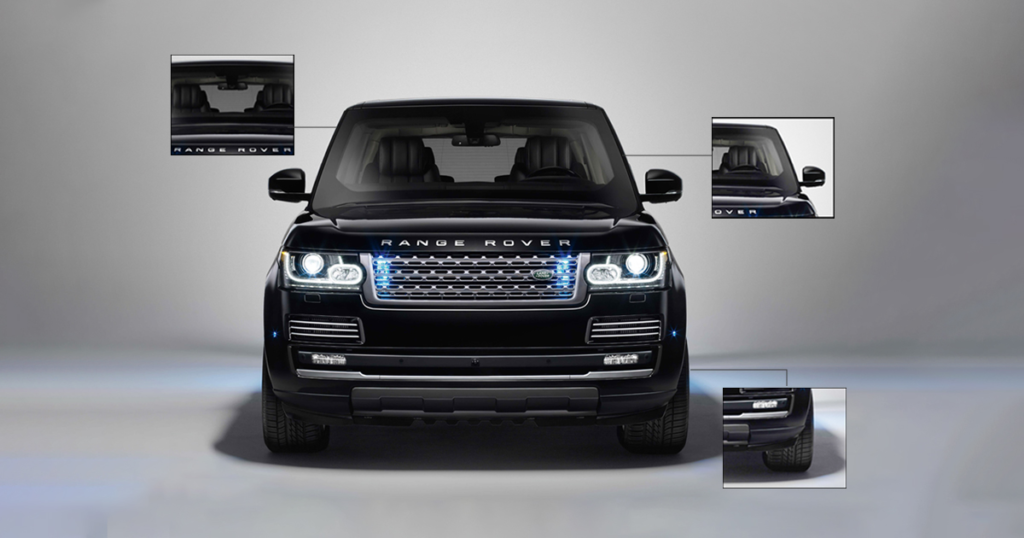
In daily use, both terms are often used together.
In simple words:
- A bulletproof car mainly focuses on stopping bullets
- An armored vehicle gives wider protection, including the body and floor
In India, most bulletproof cars sold today are actually armored vehicles.
What Bulletproof Cars Really Protect You From
Let us be very clear.
A properly built armored car can protect you from:
- Handgun and pistol firing (common threats)
- Rifle fire, depending on the protection level
- Flying metal pieces or glass during an attack
- Tire failure with run-flat tyres
This protection gives valuable time to escape a dangerous situation.
What Bulletproof Cars Do NOT Protect You From
Protection Levels Explained (Simple)
Armored cars come with different safety levels.
Common levels used in India:
- B4 / NIJ IIIA
Protects against pistols and handguns
Best for most civilian users - B6
Protects against rifles like the AK-47
Used for higher risk profiles - B7
Military-level protection
Very heavy and not practical for daily use
Most people do not need the highest level.
Buying extra protection without need only adds problems.
Daily Driving Reality of Armored Cars
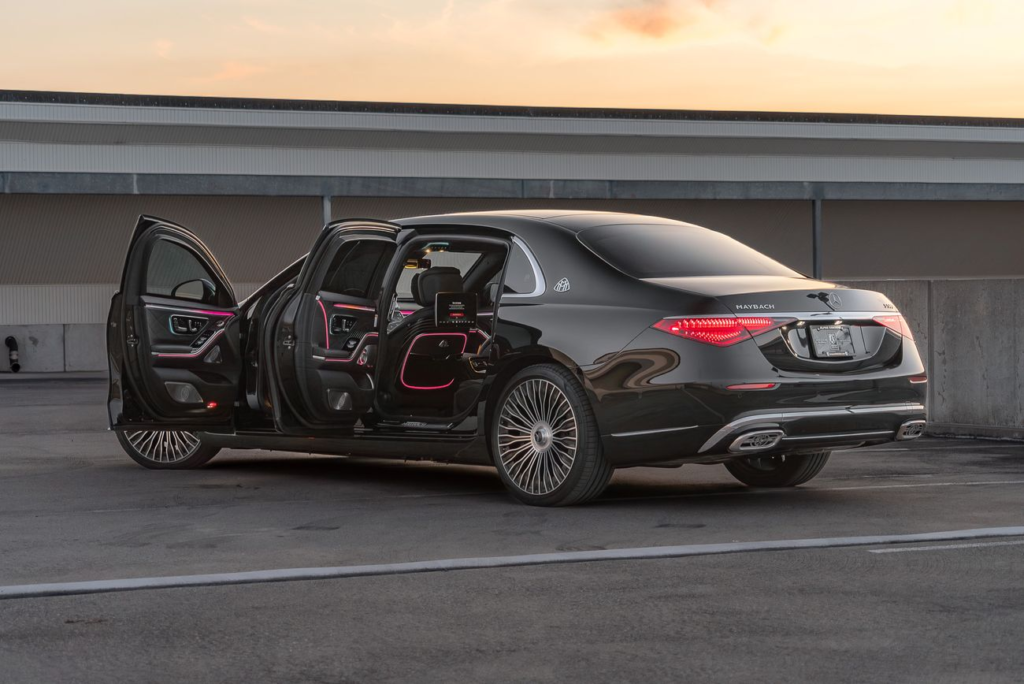
This is a point many people ignore before buying.
Armored cars are heavier than normal cars.
Because of this:
- Braking distance increases
- Steering feels heavier
- Fuel consumption goes up
- Suspension wears faster
In Indian traffic, calm driving is very important.
High-speed or aggressive driving is not recommended.
Maintenance Reality in 2026
Armored cars need special care.
Regular checks are needed for:
- Brakes and suspension
- Tyres and wheel alignment
- Door hinges and seals
- Bullet-resistant glass
Not every workshop understands armored vehicles.
Wrong repair work can reduce safety.
👉 Preventive maintenance is a must, not an option.
Legal Status of Bulletproof Cars in India
In 2026, bulletproof cars will be legal in India.
But you must:
- Update RTO records after armoring
- Inform your insurance company
- Use a certified armoring process
Poor quality or illegal modification can cause problems during claims.
Common Buyer Mistakes in 2026
From real experience, these mistakes are very common:
- Buying higher protection than needed
- Ignoring the weight impact on the car
- Choosing cheap armoring to save money
- Not planning long-term maintenance
Safety decisions should be based on risk assessment, not fear.
Expert Advice from Big Toy Automotive
At Big Toy Automotive, we often tell customers one simple thing:
“Buy protection for your real risk, not for your fear.”
The right armored car is one that:
- Matches your threat level
- Can be driven daily without stress
- Is maintained by experts
- Keeps you safe without creating new problems
Conclusion
In 2026, bulletproof and armored cars are becoming more common in India.
They offer strong protection when chosen and used correctly.
But they are not magic shields.
They work best with:
- The right protection level
- Proper driving habits
- Regular maintenance
- Honest expert guidance
An informed decision always gives better safety than blind fear.